Who invented nutrient recovery systems?
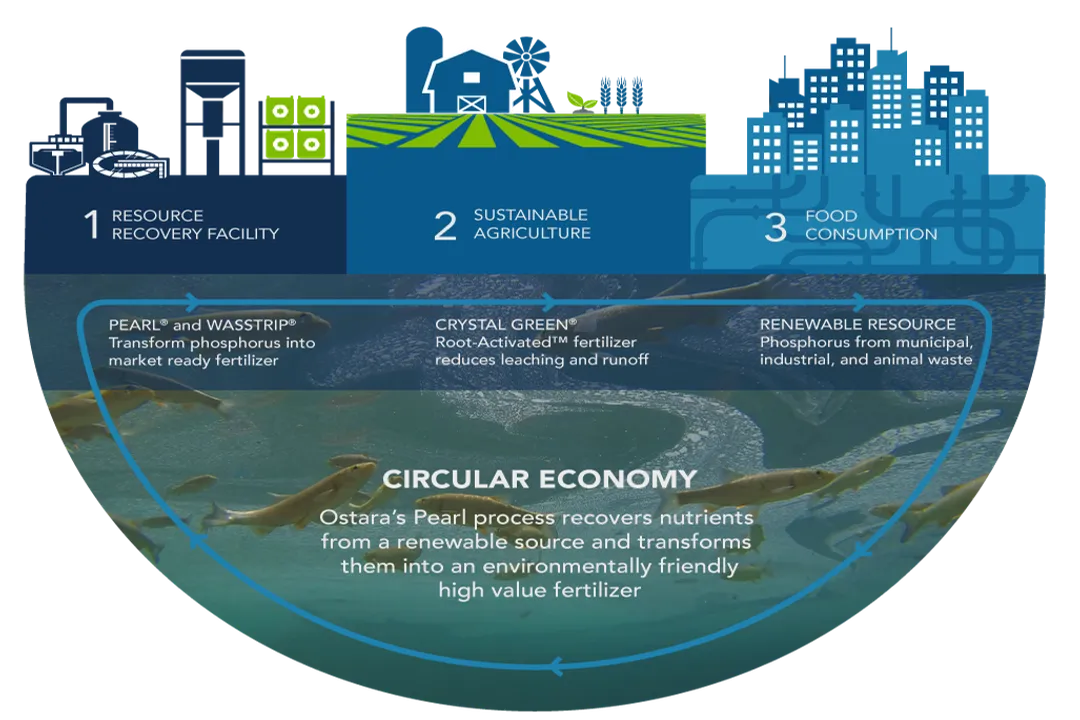
Tracing the exact genesis of nutrient recovery systems—identifying a single inventor, date, and location—is like trying to pinpoint the first person to notice that the soil grew better where ashes were dumped. The concept of returning essential elements like phosphorus and nitrogen from waste back into the productive cycle is ancient, but its modern, engineered realization involves a complex history of academic breakthroughs, patent filings, and commercial maturation. [4] Rather than a lone "inventor," the story is one of successive innovation driven by environmental necessity and engineering expertise. [6]
# Tracing Origins
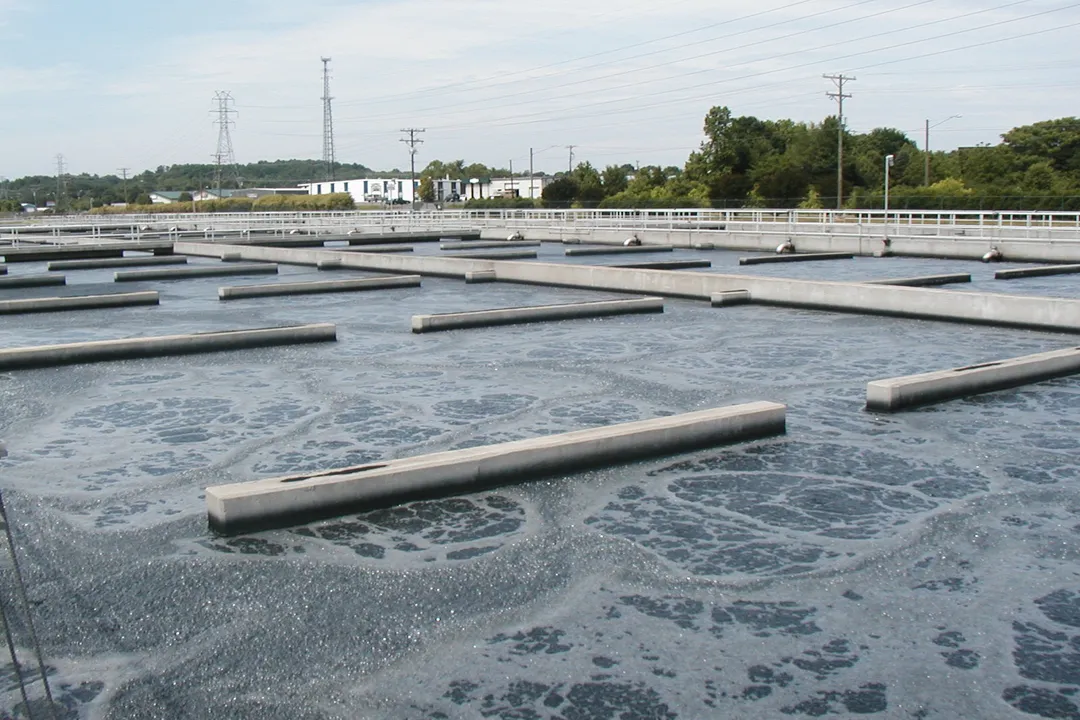
The modern drive to engineer nutrient recovery systems is largely a response to the environmental challenges posed by wastewater treatment, specifically the discharge of excess nutrients that can lead to harmful algal blooms and dead zones in receiving waters. [4] This necessity spurred significant technological development, often starting in university labs. [8]
One significant commercial entity that emerged from this research environment is Ostara Nutrient Recovery Technologies Inc. Their technology appears to have strong roots in academic development, specifically linked to research conducted at the University of British Columbia (UBC). [8] This history suggests that the invention phase was heavily influenced by engineering programs focused on sustainable resource management. [6][8] Ostara’s process is recognized for its ability to close the nutrient loop, which is a key goal in circular economy initiatives, as highlighted by the Ellen MacArthur Foundation in a case study focusing on their work. [4] Their recovery method results in a crystalline product, which is an important differentiator in the market. [4]
However, innovation wasn't limited to one group. The existence of European patent filings related to nutrient recovery, such as application EP2580167A2, indicates that various engineers and entities were concurrently developing distinct methods to solve this shared problem. [2] This patent activity suggests a competitive and creative environment where multiple approaches to capturing and utilizing these elements were being explored around the same time period. [2]
# Commercial Paths
As the need for nutrient management grew, various companies developed and commercialized their specific technological pathways. This divergence in commercial development means that answering "who invented it" depends heavily on which specific recovery mechanism one is referring to. [7][4]
CENTRISYS CNP, for instance, has its own established nutrient recovery technology which it rebranded, indicating an evolution and refinement within their engineering suite. [7] This evolution often involves integrating recovery into existing infrastructure, such as sludge dewatering processes. [10][7] The scale of implementation further validates the technology's maturation; the existence of the "world's largest nutrient recovery facility," which produces environmentally friendly fertilizer, demonstrates that these systems moved far past the lab bench and into massive municipal application. [10]
It is important to note the distinction between the recovery technology and the services that support its deployment and operation. Groups like Nutrient Recovery Services suggest a sector dedicated not just to the invention, but to the practical application, optimization, and maintenance of these systems for municipalities. [1] This division of labor—invention, production, and service—is typical for complex environmental engineering solutions.
If we examine the development through the lens of impact and visibility, the conversation frequently circles back to Ostara’s technology being widely recognized as an established method for recovering phosphorus and nitrogen from wastewater streams. [4] Meanwhile, companies like CENTRISYS CNP focus on the engineering integration and commercial viability of their specific recovery processes. [7]

# Bioeconomy Integration
The trajectory of nutrient recovery has shifted from being solely a regulatory compliance issue to becoming an identified component of the broader bioeconomy. [6] This shift is crucial because it reframes the captured nutrients not as a waste product to be managed, but as a valuable commodity to be produced. [10]
The University of Illinois, for example, has been instrumental in driving this concept forward, focusing on how these recovered nutrients can feed back into agricultural or industrial systems, thereby closing material loops. [6] This effort involves coordinating across engineering, chemistry, and agricultural sciences, suggesting that the application and economic viability of the recovered products are as much a part of the "invention" as the initial chemical precipitation method itself. [6]
This focus on the bioeconomy also manifests geographically. The involvement of entities like Trident in New Zealand, in contexts reaching as high as the White House, demonstrates that the successful implementation of nutrient recovery is a globally recognized priority, often requiring political and logistical support to scale. [3] Similarly, academic work, such as a thesis from the University of South Florida, contributes foundational knowledge to this growing field, even if it doesn't claim the initial invention. [9]
To understand the true scope of this field, one must appreciate the diversity of treatment goals. While one system might prioritize producing a standardized, marketable fertilizer pellet like Ostara’s, another local utility might be optimizing a process to simply reduce the phosphorus load in their effluent, using technology that is less focused on creating a branded product but highly tailored to local discharge limits. [4][9] The engineering decision often boils down to which approach yields the best return on investment when factoring in operational costs versus the market value of the recovered product.
When considering local implementation, the type of nutrient recovery system chosen heavily dictates long-term operational success. For instance, if a utility is focused on minimizing long-term hauling and disposal costs for biosolids, a recovery technology that integrates seamlessly into the solids handling line, potentially minimizing additional chemical inputs, will be favored, even if the initial capital outlay is higher. This pragmatic, site-specific optimization is often where the most significant "value invention" happens for the end-user, moving beyond the initial chemical patent. [7][10]
Furthermore, while companies like Ostara focus on crystallization, other methods exist for nutrient management that might be considered precursors or alternatives, such as biological nutrient removal (BNR). The true innovation in the recovery sector is often the decoupling of the beneficial nutrient capture from the standard BNR process, allowing for higher concentration and easier harvesting of the elements, as seen in the development of technologies like Ostara's. [4] Watching a demonstration of a functional system, even through a platform like YouTube, provides immediate context to the physical process of extracting these valuable materials from the water stream. [5]
# Technology Comparison
While the sources do not provide detailed technical specifications to contrast the chemical differences between, say, CENTRISYS CNP's approach and Ostara's, we can infer differences based on their commercial narratives.
| Feature | Ostara Technology Focus (Inferred) | CENTRISYS CNP Focus (Inferred) | General Field Focus |
|---|---|---|---|
| Primary Output | Crystalline, marketable product (e.g., Struvite) [4] | Integration with sludge management/dewatering [7][10] | Nutrient reduction and reuse [1][6] |
| Development Origin | University research (UBC) [8] | Established process evolution [7] | Regulatory compliance and bioeconomy [3][6] |
| Key Recognition | Circular economy modeling [4] | Scaling to "world's largest" facilities [10] | Patent activity [2] |
This table illustrates that multiple companies developed distinct commercial pathways from the initial scientific premise of nutrient recovery. The invention isn't just what to recover, but how to recover it economically and integrate it into existing utility operations.
Another layer of invention is the intellectual property surrounding the process itself. The fact that a patent application like EP2580167A2 exists confirms that the specific methods of achieving nutrient recovery—the steps, reagents, conditions, and apparatus—are actively protected intellectual assets across the industry. [2] This constant refinement through patenting suggests that the technology is not static; it is continuously being improved upon by competing firms aiming for higher efficiency or lower operating costs.
The development of specialized service providers, as represented by Nutrient Recovery Services, is also a significant evolution. A highly engineered system requires expert oversight. The "invention" of a successful, long-term recovery program is as much about the business model supporting its operation—ensuring reliable uptime and consistent product quality—as it is about the initial reactor design. [1] This service aspect often involves customized chemical dosing and process control protocols, which are iterative inventions born from real-world experience.
# Future Context and Application
The move toward a circular economy, frequently cited in discussions about companies like Ostara, suggests that future innovation will focus less on simple removal and more on high-value product creation. [4] This requires expertise not just in wastewater treatment, but in the market dynamics of the resulting fertilizer. For instance, understanding local soil nutrient deficiencies or agricultural trends can guide process adjustments—perhaps altering the magnesium-to-ammonia ratio in a struvite-forming process to target a more desirable N-P-K ratio for a specific regional crop. This type of market-driven process adjustment is an ongoing, unpatented form of invention occurring at the operator level. [6]
The work being done at institutions like the University of Illinois emphasizes driving this entire sector toward a fully functional bioeconomy, where water treatment plants become resource factories. [6] This systemic view—integrating the output of the water plant into the input stream of agriculture or industry—is arguably the grandest, most significant "invention" the field is striving for, moving beyond individual piece-by-piece technology patents. [6]
Ultimately, the narrative of who invented nutrient recovery systems is a story of collective progress. It involves the academic groundwork laid at institutions like UBC, [8] the patent protection secured by various engineers, [2] the specialized product development by companies like Ostara [4] and CENTRISYS CNP, [7] the large-scale validation provided by massive projects, [10] and the ongoing support structures provided by service entities. [1] No single name holds the title; instead, it belongs to a collaborative, if competitive, history of engineering aimed at sustainability and resource security.
The practical application today is a blend of all these elements. A utility choosing a path forward is weighing the crystalline product benefits described by one group against the integrated processing advantages cited by another, all while adhering to the scientific principles validated across the research community. [4][7][9] The most valuable inventor today might be the engineer who successfully combines elements from several established technologies into one highly efficient, site-specific solution.[1][5]
#Videos
Innovative nutrient recovery systems Marieke Verbeke #VCM
Related Questions
#Citations
Our Story - Nutrient Recovery Services
Nutrient recovery systems and methods - Google Patents
Trident Nutrient Recovery goes to the White House
Ellen MacArthur Foundation | Case Study: Ostara Nutrient Recovery ...
Innovative nutrient recovery systems Marieke Verbeke #VCM
Illinois Helps Drive Nutrient Recovery for the Bioeconomy
Centrisys/CNP Introduces New Name for Nutrient Recovery ...
Ostara Nutrient Recovery Technologies Inc
"Development of a Reusable Nutrient Recovery System to ...
World's Largest Nutrient Recovery Facility Produces Valuable ...