Who invented emergency rations?
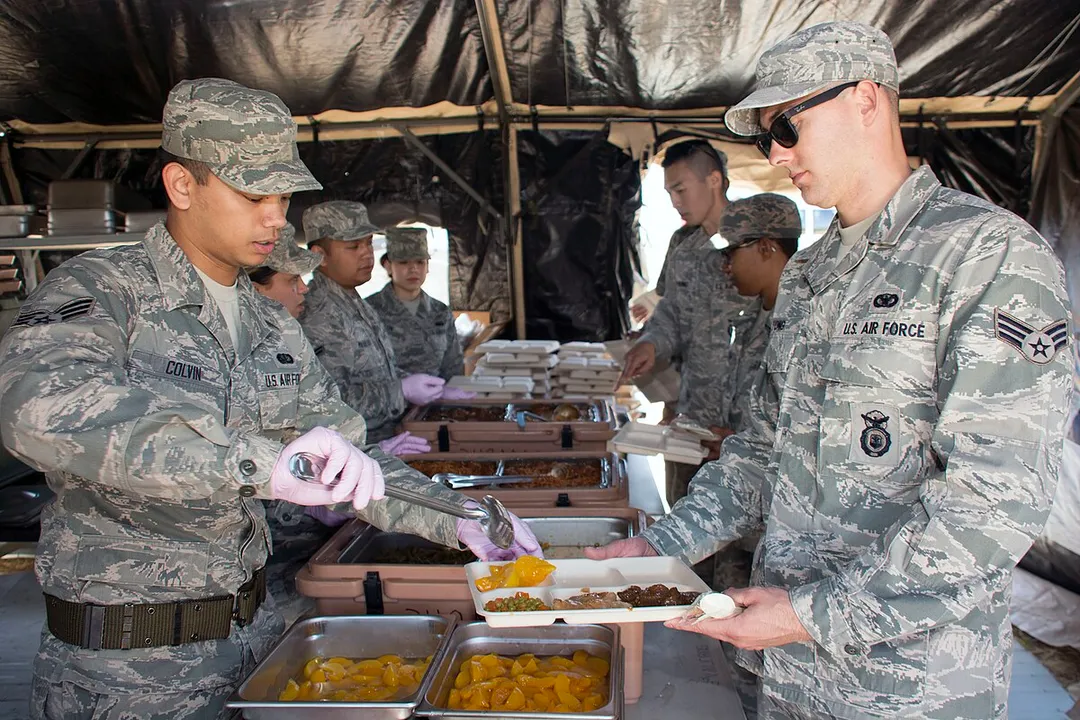
The concept of self-contained, shelf-stable food for soldiers or travelers isn't new, but the modern emergency ration, designed for survival and immediate consumption in the field, has a surprisingly specific and iterative history rooted deeply in military necessity, particularly during the World Wars. Before standardized rations, armies often relied on foraging, local supply lines, or simply carrying basic, non-perishable components like hardtack and salt pork, which were often heavy, bulky, and led to poor soldier morale and nutrition. The true push for a dedicated, packaged emergency ration began when logistical challenges proved that conventional supply chains could not keep pace with rapidly moving front lines.
# Early Needs
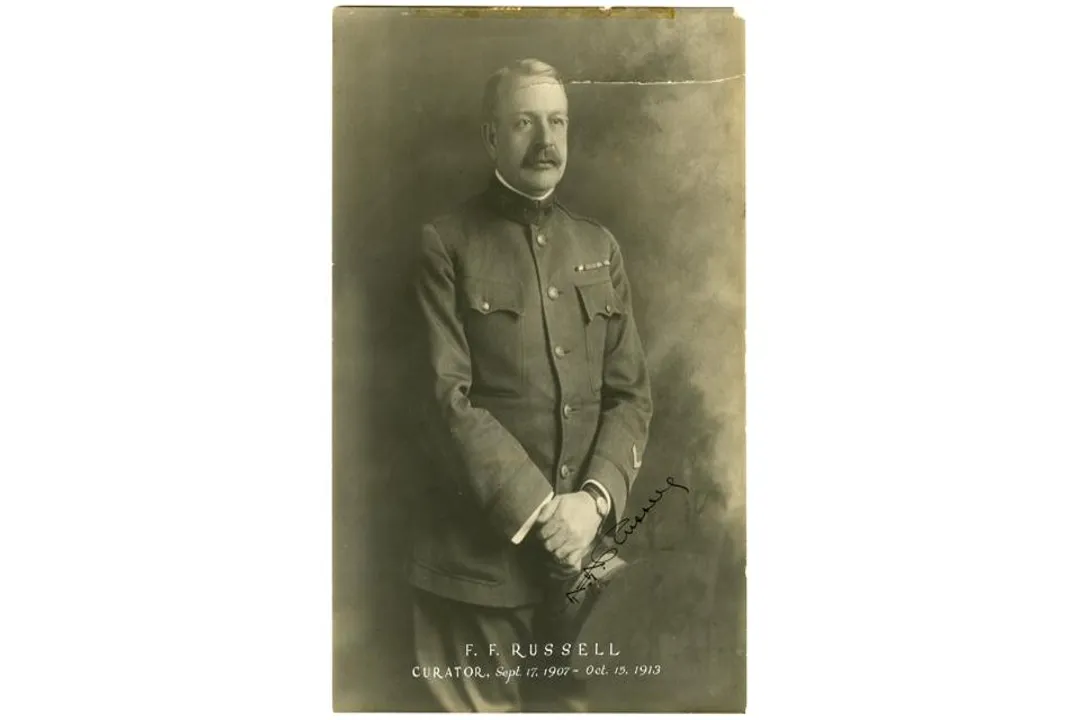
Military feeding systems prior to the 20th century often struggled with the fundamental requirements of campaigning: portability, nutrition, and shelf life. Imagine trying to feed an entire division that has advanced miles past the established railhead; relying on wagons that might break down or be captured is a recipe for disaster. Early solutions were rudimentary. For instance, before World War I, soldiers often carried basic components, but the development of something truly ready-to-eat, requiring no cooking or preparation, was still conceptual. This lack of foresight meant that while armies were capable of complex maneuvers, their nutrition often devolved into whatever the local populace could provide or whatever stale staples they hauled in heavy crates.
# Trench Diet
World War I marked a critical turning point where the static nature of trench warfare ironically highlighted the need for self-sufficiency. The challenges faced in the muddy, disease-ridden trenches spurred innovation in preserving food quality outside of traditional kitchens. The focus during this era was on preserving flavor and preventing spoilage while providing necessary energy for grueling labor. Innovations included tinned meats and coffee, which were seen as significant advancements in keeping soldiers fed in conditions where preparing a proper meal was nearly impossible. The Medical Museum notes that beef, bread, and coffee were key components being addressed through new preservation methods during this conflict. This period established the principle that food needed to be packaged in a way that was completely independent of external heat sources or water—a radical shift from traditional field kitchens.
# War Rations
The interwar years and the beginning of World War II saw the formalization and rapid evolution of packaged military rations, moving from simple components to integrated meal systems. Several distinct rations emerged, each tailored for a specific operational tempo or environment. One of the earliest fully integrated wartime rations was the D-Ration, introduced just before the U.S. entered WWII. This ration was intended as a supplementary, high-energy bar, designed to sustain a soldier for a short period when other food was unavailable. It was famously dense and high in calories, often measuring about 600 calories.
The more widely distributed ration during the early part of the war was the C-Ration. These rations were canned meals, usually packed in three components (like meat/vegetable, bread/dessert, and beverage powder). While they offered more variety than the D-Ration, they were notoriously heavy due to the tin cans and required some method of heating to be truly palatable, which wasn't always practical. The weight of carrying several days' worth of C-Rations was a significant logistical drain on infantry units.
The true emergency ration that characterized the middle years of WWII was the K-Ration. It was designed to be eaten cold, requiring no preparation, and was intended for consumption over a single day. It consisted of three separate cardboard cartons, one for breakfast, one for dinner, and one for supper. The K-Ration represented a major step toward true field convenience, but it was far from perfect. It was notoriously monotonous, and critics often pointed out its low nutritional balance, frequently leading to digestive issues. It is interesting to reflect that the goal for these early rations was survival, not satisfaction; the nutritional science was lagging behind the engineering required for shelf stability and portability. If a soldier carried three K-rations, they received about 2,800 calories, but the packaging itself was easily damaged by moisture or rough handling, making them unreliable in the jungle or harsh weather.
The creation of these specific rations was often driven by individual military needs, leading to a patchwork system before consolidation occurred. The man credited with significantly influencing the K-ration's development, John Lansdale Jr., was focused on creating a ration that was nearly inedible if that’s what it took to make it last long enough to be used in an emergency. This pragmatic, if unappetizing, approach highlights the trade-off inherent in emergency food engineering: Portability and shelf life almost always trumped palatability in the initial design phases, a trade-off modern ration developers still manage to this day.
| Ration Type | Primary Era | Packaging | Preparation Required | Key Limitation |
|---|---|---|---|---|
| D-Ration | WWII (Early) | Bar/Wrapper | None | Limited variety, energy supplement only |
| C-Ration | WWII | Tin Cans | Often heated for best results | Heavy due to cans, logistics strain |
| K-Ration | WWII (Mid/Late) | Cardboard Cartons | None (eaten cold) | Monotonous, packaging susceptible to damage |
| Meal Packaged Unit | Post-WWII | Varied | Minimal heating often possible | Still relatively heavy, limited menu |
# Ration Shift
After the global conflicts, the military recognized the inherent flaws in the K-ration and the logistical weight of the C-ration. The post-war period saw an attempt to create a more balanced and versatile ration that maintained the "no preparation" ideal. This led to the development of the Meal, Combat, Individual (MC/I), which was an early precursor to what would become the modern standard. These transitional rations began incorporating more variety and better nutritional profiles, acknowledging that a well-fed soldier performs better than one merely kept alive.
The real innovation that began to shape the future was the shift towards a complete, single-package meal concept, moving away from assembling components from several different types of rations. Companies specializing in long-term food storage, like Mountain House, began commercializing techniques derived from military needs, focusing on freeze-drying technology which drastically reduced weight while preserving nutrition, though this was initially a civilian pursuit building on military-proven concepts of preservation. The military was seeking systems that could sustain soldiers for up to 21 meals without resupply, demanding a completely different approach than the single-day K-Ration.

# The MRE
The culmination of this evolutionary pressure arrived in 1981 with the adoption of the Meal, Ready-to-Eat (MRE). The MRE was revolutionary because it aimed to replace the C-ration entirely, offering a full day’s sustenance in a single, lightweight, durable pouch. The MRE system mandated specific nutritional standards—1,250 calories, 1/3 of the daily requirement—and required a heating element, often the flameless ration heater (FRH), to prepare the main course. This addition of a dependable, chemical-based heater solved the problem of needing a fire while significantly improving morale by offering hot food.
The MRE menu structure itself is a testament to ongoing refinement. Initially, the menus were very limited, often featuring just a few main entrees. Over the decades, the number of distinct menus has expanded significantly, moving from a dozen options to over two dozen currently available. This expansion directly addresses the historical critique of monotony that plagued the K-Ration. Furthermore, the MRE system has adapted to modern dietary needs, incorporating vegetarian options and adapting to cultural preferences where necessary.
It is fascinating to note the difference in engineering focus between the K-Ration and the MRE. The K-Ration inventor prioritized shelf stability above all else, making the food last. The MRE development prioritized usability and nutrition within a stable package, recognizing that a soldier will simply refuse to eat food that is both unpalatable and nutritionally lacking, even if they are starving. This shift—from sustenance engineering to user-experience engineering—represents the most significant philosophical change in emergency ration design over the 20th century.
# Civilian Impact
The innovations pioneered for military emergency feeding did not stay confined to the battlefield; they profoundly shaped the modern civilian food landscape. The military served as a massive, unwilling test market for preservation technology. For example, innovations developed to protect soldiers' food from spoilage under extreme conditions—like canning techniques and dehydration processes—eventually filtered down into commercial food production.
The history of food companies like Mountain House shows a direct lineage from military procurement demands to consumer products. Freeze-drying, a technology heavily utilized for modern lightweight military rations, became the cornerstone of the backpacking and survival food industry. While the military pushed for lightweight, high-calorie density for transport, consumers adopted this for portability on trails and preparedness at home. It is worth noting that the very concept of a shelf-stable, calorie-dense bar, first seen in the D-Ration, is now a staple in every convenience store and gym bag. Military contracts provided the initial funding and scale necessary to perfect these preservation methods to the point where they became cost-effective for the commercial market.
The focus on ingredient stability also inadvertently drove advances in nutritional science reporting. To meet military specifications, packaging had to clearly articulate calorie counts, vitamin content, and macronutrient balance for extended periods, setting a de facto standard for food labeling that influenced later consumer regulations. The military essentially created the prototype for the modern, complex, single-serving packaged meal we buy today, long before consumer convenience drove similar products to market. The challenge for manufacturers now is simply dialing back the extreme durability requirements of the military specification to produce a slightly less indestructible, but tastier, product for the civilian market.
#Videos
1906 US Army Emergency Ration Preserved Survival Food Testing ...
Related Questions
#Citations
The History of Rations — Subsistence & Culinary Arts
1906 US Army Emergency Ration Preserved Survival Food Testing ...
7 Popular Foods Invented by the US Military - History.com
A History of Military Rations - Mountain House
How Military R&D Created The Food We Eat - Popular Science
United States military ration - Wikipedia
Beef, Bread, and Coffee: Food Innovations during World War I
The Man Behind the Incredible, Nearly Inedible K Ration - History Net
The History of Modern MREs - Meal Kit Supply