What were Stanley's originally made for?

The creation of the Stanley vacuum bottle was a direct answer to a practical problem plaguing early 20th-century adventurers, workers, and travelers: how to keep beverages hot or cold reliably without carrying fragile glass. Before the introduction of the all-steel vacuum flask, insulation technology relied heavily on glass liners, which were notoriously susceptible to breaking upon impact or dropping, rendering the contents unusable and potentially dangerous. [2][6] The goal was simple yet revolutionary: merge superior vacuum insulation with uncompromising durability. [3][8]
# Inventor's Vision
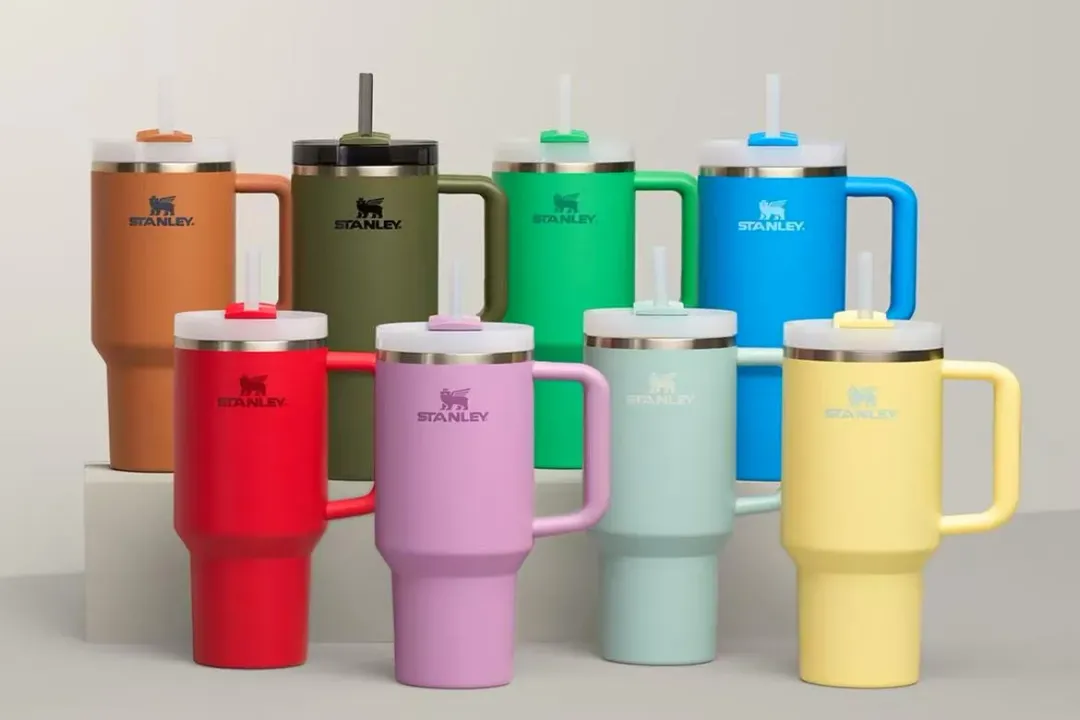
The genius behind this durable solution was William Stanley Jr.. [1][3] Around 1913, Stanley, an inventor and mechanical engineer, conceived of a way to construct a vacuum bottle entirely out of steel. [1][3][6] This move was not merely an incremental improvement; it represented a complete rethinking of portable thermal containment. [2] While vacuum insulation itself was known, Stanley’s innovation centered on replacing the weakest link—the glass interior—with the strength of metal. [6][8]
The company established in 1913 was dedicated to this core principle of ruggedness, which is why the brand continues to carry the 1913 mark in its modern identity. [3] For Stanley, a product meant for the field, the workshop, or the campsite had to withstand real-world abuse, something traditional glass-lined thermoses could simply not promise. [2]
# Steel Over Glass

The technological leap that defined Stanley's original purpose was the shift in construction material. [8] Earlier vacuum bottles used a double-walled glass vacuum bottle, which provided excellent insulation due to the vacuum layer between the walls, but the glass itself made them inherently vulnerable. [2][6] A hard knock or a fall from a tool belt could instantly shatter the interior insulation layer. [2]
Stanley’s design integrated the vacuum seal directly into an all-steel construction. [1][6] This meant the bottle could be dropped, bumped, or jostled without compromising its thermal performance. [8] This construction change transformed the thermos from a somewhat delicate piece of equipment into a dependable piece of gear. [2]
To illustrate the severity of the original problem Stanley aimed to solve, consider the materials involved in these early designs:
| Component | Early Vacuum Bottle (Pre-Stanley Steel) | Stanley All-Steel Vacuum Bottle |
|---|---|---|
| Interior Liner | Glass | Steel |
| Insulation Method | Vacuum Seal | Vacuum Seal |
| Durability Rating | Fragile/Breakable | Unbreakable (Highly durable) |
| Intended Environment | Light use, stationary | Heavy use, industrial, outdoor |
This fundamental material difference meant that for the first time, someone working a manual labor job, like a foreman on a construction site or a logger in the woods, could rely on having a hot cup of coffee at mid-day, even if the bottle spent the morning bouncing around in a truck or strapped to equipment. [3][8]
# Original User Base
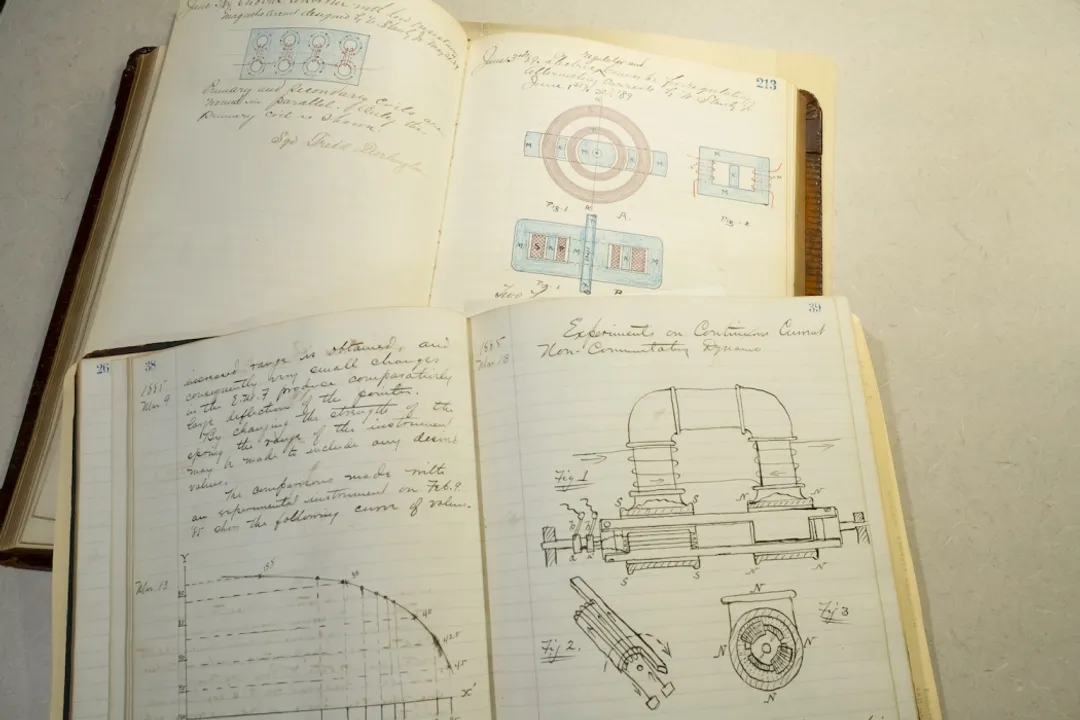
The initial market for Stanley’s unbreakable bottle was not the modern commuter or the casual picnic-goer; it was the professional who depended on their gear for long hours in demanding environments. [3] The earliest adopters were the working men who faced tough conditions daily. [6]
Think about the early 20th-century industrial landscape: railroads being built, massive infrastructure projects underway, and industrial manufacturing booming. [3] These workers needed insulation that matched their environment. A glass liner was simply incompatible with the rough-and-tumble reality of a steel mill or a remote worksite. [8] Stanley identified this gap: existing solutions were too delicate for the people who arguably needed them most. [2]
The bottle became associated with reliability in remote or challenging locations. It was designed for the person who was far from amenities, where a quick trip to the corner store for a refill or replacement was not an option. [3] This initial positioning as a tool rather than an accessory is vital to understanding the brand's DNA. Its primary function was utilitarian: preserving temperature under duress. [6] Even as the brand expanded into other gear, like coolers and cookware, that initial mandate for extreme durability remained the foundation. [1][3]
# Beyond the Cup
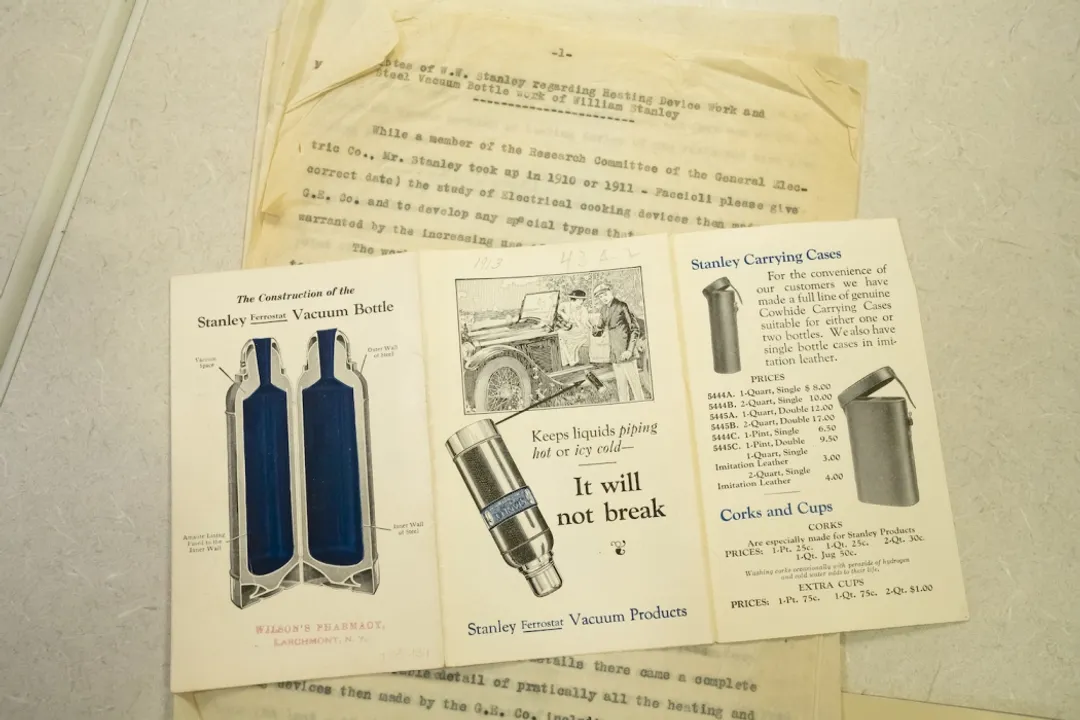
While the vacuum bottle is the enduring symbol of Stanley's origin story, the company's broader mission always involved keeping things insulated and preserved, an extension of William Stanley Jr.'s engineering mindset. [1][3] Although the core product that launched the name was the bottle, the expertise gained in creating robust, sealed containers naturally paved the way for other durable goods designed for the outdoors and professional use. [6]
It’s interesting to note how the public perception of durability shifts over time. In 1913, an unbreakable bottle meant surviving a fall from a few feet onto a hard surface, which was a massive gain over glass. Today, the definition of "unbreakable" has evolved—now often associated with surviving drops from chest height onto concrete or maintaining performance through extreme temperature fluctuations. [2] The underlying philosophy, however, remains consistent: build equipment that outlasts the need for replacement, a concept which resonated deeply with the working men of the early 1900s. [8]
The early success cemented Stanley's reputation in sectors where failure was costly, establishing a trust with professionals that few consumer brands ever achieve. This trust, built on meeting the stringent demands of industrial use, is what underpinned decades of brand loyalty, even before the item gained recent popularity as a fashion accessory. [5] When you look at an original model, you are seeing the direct ancestor of a product engineered to survive a life outside of a climate-controlled office. The entire value proposition was tied to its resistance to the harshness of the real world, a testament to Stanley Jr.'s focus on practical, long-lasting engineering. [1][3]
Related Questions
#Citations
Stanley (drinkware company) - Wikipedia
Old Stanley Vs New Stanley | Stanley - Stanley 1913
Who Invented Stanley Cups? Meet NIHF Inductee William Stanley Jr.
The Stanley cup craze: Origins of the trendy tumbler housed in ...
Story Of the Stanley Brand - 9MUGS.COM
Stanley - Ultimate Nordic
The Evolution of Stanley Water Bottles: From Classic Insulated Cups to
The Stanley cup craze: How a 110-year-old company went mega-viral