Who invented zoning systems?

The impulse to organize how people live, work, and build is far older than modern zoning codes, yet the formal system we recognize today—a legally mandated separation of land uses—has a surprisingly recent origin rooted in rapid industrial change and concerns over public health and property values. [1][9] Before standardized codes, cities often relied on vague nuisance laws or specific charters to manage building activities. [7][9] The explosive growth of cities in the late 19th and early 20th centuries, characterized by soaring tenements and polluting factories existing side-by-side, created an urgent need for a more systematic regulatory approach. [9][2]
# Early Actions
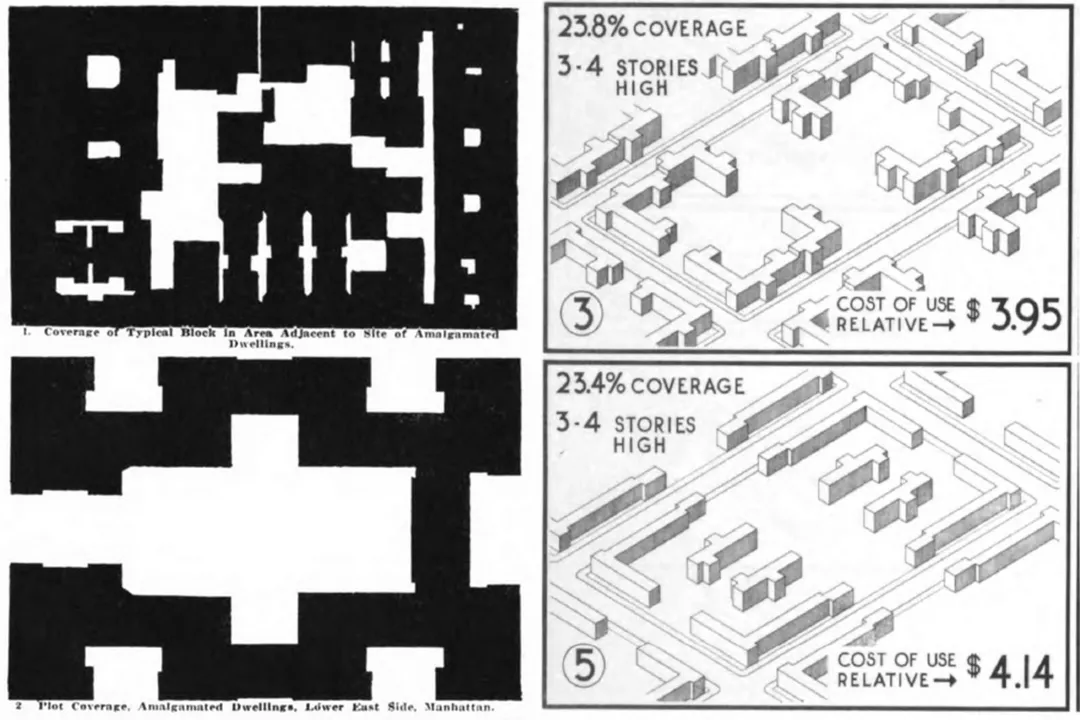
Long before state-level enabling acts or federal approval, certain communities took localized steps to govern development. [1] For instance, some areas attempted to regulate land use through common law or by adopting specific contractual agreements between property owners. [7] Early attempts often focused on protecting residential areas from industrial encroachment, recognizing that the proximity of noxious industries severely depressed the value of nearby homes. [1][3] Some municipalities tried to address overcrowding and fire safety through building codes that restricted heights or materials, but these rarely touched upon the type of activity allowed on a parcel. [9]
# Genesis Moments
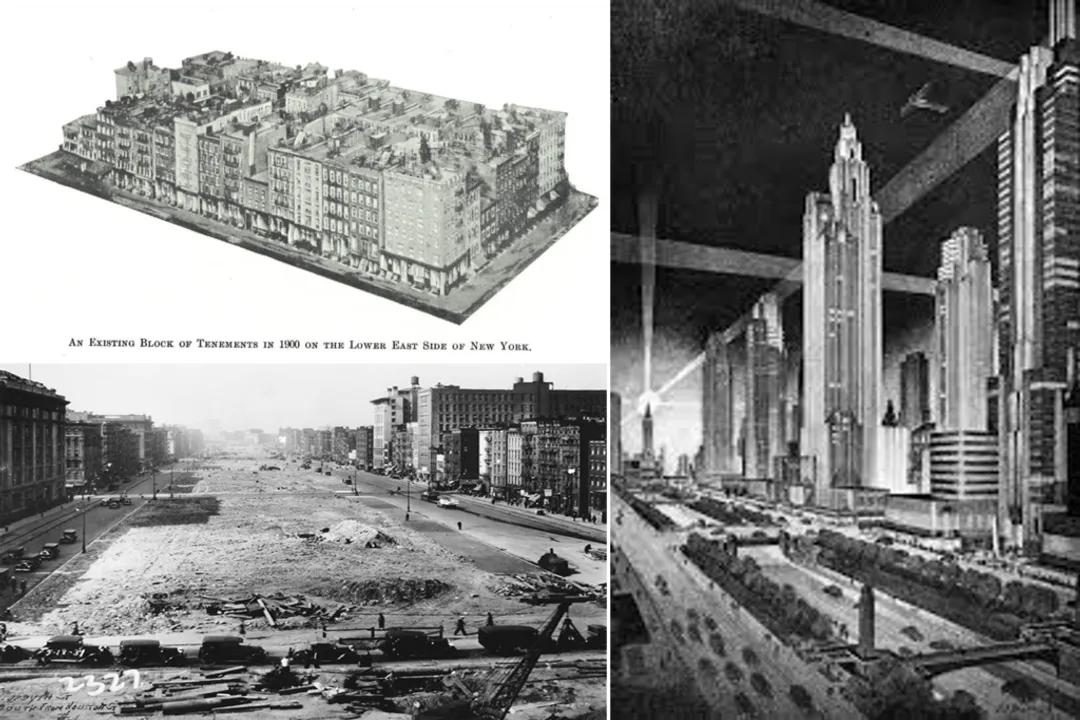
The true advent of zoning, defined as the division of a municipality into districts with regulations governing the use of land within each district, is often pinned to the early 1900s. [7] One of the earliest major examples of comprehensive use regulation appeared in Los Angeles, California, which began creating zoning ordinances aimed at restricting certain industrial uses from specific areas as early as 1909. [1][2] This pattern spread, with New York City often credited as the birthplace of the modern, comprehensive zoning resolution. [2][7]
New York’s efforts were catalyzed by conflicts that became highly visible in the commercial districts. [2] A major catalyst was the construction of large department stores that threatened to displace fashionable retail and residential areas downtown. [2][7] The desire to protect established commercial districts from being overwhelmed by manufacturing or vice versa drove early legislative action. [7] By 1916, New York City enacted its pioneering zoning resolution, which established districts for residential, commercial, and unrestricted use, alongside regulations governing building height and bulk. [2][7] This New York plan was a critical early model, influencing cities across the nation. [7]

# Legal Foundation

For these local ordinances to have the force of law, they needed state authorization and ultimate affirmation by the federal judiciary. [3] States began passing enabling legislation to grant local governments the authority to zone property. [7] The most famous and decisive legal moment arrived with the Supreme Court case Village of Euclid, Ohio v. Ambler Realty Co. in 1926. [4][7] The village of Euclid had passed an ordinance restricting a parcel of land owned by Ambler Realty to residential use, preventing the owner from developing it for industrial purposes, which would have been more profitable. [4] The developer challenged the regulation, arguing it was an unconstitutional taking of property without due process. [4] The Supreme Court upheld the zoning ordinance, confirming that the separation of incompatible uses served the public welfare, health, and safety, thereby giving zoning the essential constitutional backing it needed to proliferate across America. [4][7] This ruling cemented the idea that regulating land use was a legitimate function of government police power. [3]
# Euclidean Structure
Following the Supreme Court's endorsement, the zoning concept largely adopted the structure formalized in New York and codified by the US Department of Commerce's Standard State Zoning Enabling Act (SZEA) in 1924. [7] This system became known as Euclidean Zoning, named after the Euclid case. [4]
Euclidean Zoning operates on a fundamental principle: separation. [4][5] It generally sorts land uses into distinct, hierarchical categories, most commonly separating residential uses from commercial and industrial uses. [4] These categories are typically structured so that less intensive uses (like single-family homes) are permitted in zones that also allow more intensive uses (like apartment buildings), but more intensive uses are strictly excluded from less intensive zones. [4][9] For instance, a factory cannot generally be placed in a zone designated strictly for residences. [4] This was intended to create predictability and protect property values from the negative externalities of conflicting uses. [3]
A key element of this early system involved establishing districts for specific purposes. While the sources indicate that use restrictions—what activity is allowed—were central, Euclidean Zoning also incorporated dimensional controls that dictated how buildings could sit on the land. [4][7] These dimensional rules often dictated setbacks, lot coverage, and building height limits, which indirectly shaped the built environment's form and density. [4]
If we consider the mechanics of density control within this era, the concept of Floor Area Ratio (FAR) emerges as a crucial, if sometimes obscured, component of the early zoning toolkit. [6] FAR is simply the ratio of a building's total floor area to the size of the lot it sits on. [6] While the initial focus might have been on use segregation, controlling FAR was how regulators managed the sheer volume of building that could occur on a given piece of land, directly impacting congestion and light/air access. [6] A low FAR signals an intent for low-density development, regardless of the specific use classification. [6]

# Divisive Consequences
While the intent was noble—to protect neighborhoods from the grit and noise of industry—the implementation of strict separation over the following decades produced effects that many contemporary planners find problematic. [5][3] The primary issue critics point to is that zoning achieved its separation goals by demanding monofunctionality. [5] Neighborhoods became strictly dedicated to one purpose: residential, commercial strip, or industrial park. [5][9]
This rigid segregation necessitated the rise of the automobile for daily errands. [5] If a resident lives in a strictly residential zone, they must drive to a segregated commercial zone to shop, and perhaps further still to an industrial park for work. [5][9] This system actively made walking or using public transit impractical for daily needs, an outcome unforeseen or ignored by the initial proponents who were reacting primarily to industrial blight, not anticipating suburban sprawl dependent on personal vehicles. [5] It is an interesting historical irony: the desire to protect property values in affluent residential areas often resulted in regulations that raised housing costs across the board by limiting the supply of diverse, smaller housing types that could fit into mixed-use areas. [3] We often see, for example, that the oldest, most desirable neighborhoods predate strict Euclidean zoning and are characterized by the very mixed uses—a tailor shop downstairs, apartments above—that modern zoning often prohibits. [9]
The concept of "justice" in zoning has also become a major point of contention. [1] Historically, single-family zoning, which often mandates large lot sizes and excludes multi-family housing, has been used intentionally or unintentionally to promote economic and racial segregation. [1][3] By making housing production expensive and restricting the types of units that can be built, these zoning rules limit affordability and access to opportunity for lower-income families. [1] The rigid separation, therefore, translated not just into physical separation of uses, but social stratification based on housing type and location. [1]
# Need for Fluidity
As planners and citizens reassessed the impact of these rigid 20th-century controls, a strong movement for reform began advocating for more flexible systems. [3][8] One criticism leveled against the Euclidean model is that it focuses too much on what is happening on the land rather than how the resulting buildings interact with the streetscape and each other. [8] This leads to designs that might technically comply with the code—no industrial use in a commercial zone—but still produce sterile, unwelcoming street environments characterized by vast parking lots and buildings set far back from the sidewalk. [5][8]
The push now is toward form-based codes or mixed-use zoning that prioritizes the physical character and walkability of a place over an abstract separation of functions. [5][8] Consider how a modern main street operates: ground-floor retail needs nearby residences or offices within easy walking distance to thrive; if residences are zoned miles away, the retail space sits empty during off-hours. [9] This dependency highlights a major conceptual failing of the strict separation doctrine—it failed to account for the social ecology required for vibrant urban life. [9] Where early zoning sought to eliminate conflicts between home and factory, modern flexibility seeks to encourage compatible interactions between home, shop, and office. [5]
The evolution shows a clear progression: starting with simple nuisance abatement, moving to comprehensive, single-use segregation under the banner of public health (validated by Euclid), and now shifting toward regulating the form of development to ensure positive public realm outcomes, recognizing that the early segregationist impulse may have created more problems than it solved. [3][4] The challenge remains how to introduce this necessary flexibility without reverting to the chaotic, unmanaged conditions that first prompted the creation of zoning nearly a century ago. [1][8] Any new approach must consciously balance individual property rights with collective community needs, a tension that has defined the history of urban regulation from the start. [7]
Related Questions
#Citations
History of Zoning - Institute for Justice
The Birth of Zoning Codes, a History - Bloomberg.com
A Brief History of Zoning in America—and Why We Need a More ...
History And Breakdown Of US Euclidean Zoning Regulations
How zoning went wrong, and how to shape places better - CNU.org
The Birth and Growth of Modern Zoning (Part II) - Building the Skyline
[PDF] The Advent of Zoning | DigitalCommons@UM Carey Law
Zoning's Next Century | SPUR
241 the origins of zoning - Recivilization