What impact did the gramophone have on society?

The arrival of sound recording devices fundamentally reorganized human experience, shifting audible culture from ephemeral live events into permanent, reproducible artifacts. Thomas Edison’s phonograph, initially capable of recording and playing back the human voice, laid the groundwork, but it was Emile Berliner’s gramophone that truly instigated a mass societal transformation. [2][5] Where the early phonograph used cylinders that were fragile and difficult to duplicate, Berliner’s introduction of the flat disc system made mass production feasible and standardized media distribution. [2] This innovation, born in the late nineteenth century, did more than just capture sound; it dictated where, when, and how people would consume music and information for decades to follow. [3][4]
# Cylinder Contrast
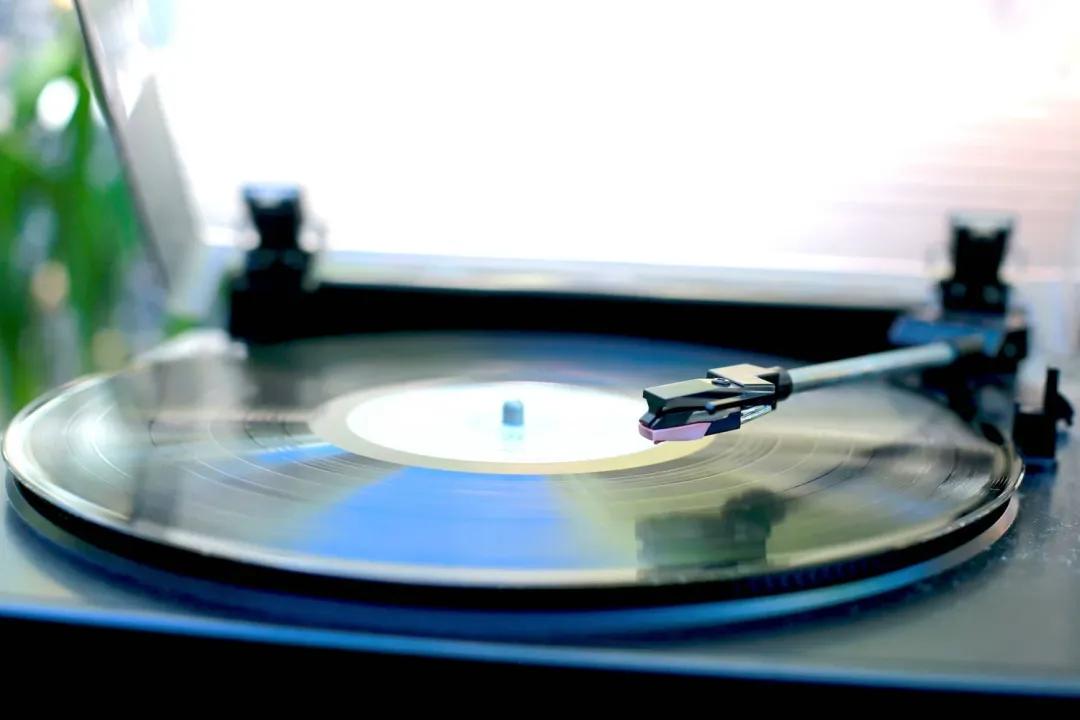
The early attempts at mechanical sound reproduction, such as Edison’s apparatus, generally relied on cylinders wrapped in tinfoil or wax. [2] These devices, while revolutionary for documenting speech, suffered from issues related to fidelity and durability, making commercial scaling extremely difficult. [2] Berliner’s crucial refinement was the shift to the flat disc, initially made of zinc, which allowed for the stamping of copies from a master mold. [2] This seemingly simple technological jump addressed the core commercial problem: reproduction. An early insight into this difference is recognizing that the cylinder format inherently limited the medium to being a fragile, individualized object, perhaps suited for novelty or limited documentation, whereas the stamped disc created the very first easily replicable, standardized unit of media, instantly making the experience scalable across entire populations. [2] This standardization was the prerequisite for the recording industry as we know it, moving sound from the realm of the unique experiment to the realm of mass commodity.
# Home Entertainment

Perhaps the most profound societal shift brought by the gramophone was the relocation of music performance from public venues into the private parlor. [3][4] Before this invention, hearing professional music required attending a concert, a performance, or having a skilled musician present in one’s home. [5] The gramophone democratized access to sonic arts. Suddenly, families could listen to the world’s greatest orchestras, popular singers, or operatic stars anytime they desired, provided they owned the machine and the requisite shellac discs. [3][4]
This availability altered domestic leisure patterns. Where previously evenings might have centered around reading, conversation, or musical participation (playing an instrument oneself), the gramophone offered a passive, yet culturally rich, alternative. [3] It provided shared background soundscapes and a focal point for family gatherings that revolved around listening to recorded artists rather than just live performance. [5] Consider the adoption rate: while technologies like radio and television later captured audiences, the gramophone established the initial market expectation that recorded content should be instantly accessible, setting a precedent for on-demand consumption that later digital formats would perfect. [10]

# Industry Formation
The ability to easily stamp and distribute discs directly enabled the creation of a dedicated music industry centered on recording rather than just publishing sheet music or promoting live touring acts. [4] This spurred the development of recording studios, disc pressing plants, and a new infrastructure of distribution and retail dedicated solely to recorded sound. [4]
The rise of the recording industry also meant the rise of the recording artist as a distinct professional entity. [4] Performers who might have been local favorites suddenly found their music distributed nationally, and eventually internationally, creating genuine, widespread fame independent of physical touring schedules. [4] This environment fostered the creation of genres defined by their suitability for recording, and it began the slow process of shifting economic power within music from composers and publishers to the performing artists and the companies that mastered and marketed the records. [4] The ability to hear an excellent performance repeatedly, rather than relying on memory from a single live hearing, also arguably raised the baseline expectation for musical quality across the board. [10]
# Diverse Applications
While music quickly became the primary driver of the gramophone’s success, its capacity to reproduce any sound meant it found roles in other sectors of society, including communication and morale efforts. [9] During the First World War, for example, the gramophone was deployed by military forces. [9] It served as a means to distribute morale-boosting records to the troops in the field, offering familiar sounds from home during difficult times. [9] Furthermore, official messages, commands, or news broadcasts could be recorded and played back reliably to large groups of soldiers, ensuring uniform reception of important information across dispersed units. [9] This military application showcased the device’s function not just as an entertainment medium but as a reliable tool for centralized, mass auditory communication outside the framework of journalism or public address systems. [9]
Even beyond mass media, the early iterations of sound recording, which the gramophone industry built upon, were important for documentation. While the sources focus heavily on music, the foundational technology allowed for the recording of speeches, historical moments, and personal reminiscences, creating auditory archives that offered a level of permanence previously impossible for spoken word outside of written transcription. [2][5]

# Enduring Appeal
Decades after its peak commercial dominance was eclipsed by other technologies, the appeal of the gramophone—and its modern descendant, the vinyl record player—persists. [5][10] This continued affection suggests that the impact was not purely technological but deeply cultural and sensory. [5]
For contemporary users, the enjoyment often centers on the tangible experience that contrasts sharply with digital file consumption. [10] The act of selecting a record, handling the physical disc, placing the stylus, and watching the rotation involves ritual and intention. [10][5] This tactile interaction provides a level of engagement often lost when music is treated as an invisible data stream. [10] Moreover, many audiophiles maintain that the playback through vinyl and the associated equipment offers a warmth or depth of sound quality that they prefer over digital formats, even if technical measurements sometimes suggest otherwise. [10]
This nostalgia loop, where older technology gains new cultural currency, is a testament to the profound initial disruption the gramophone caused. It created a format that listeners bonded with physically—an object tied to specific memories and times—making its survival in the digital age less a matter of obsolescence and more a marker of cultural attachment. [5] If we look at the entire arc of recorded sound, the gramophone succeeded because it married mechanical ingenuity with mass market appeal, establishing the very concept of owning your favorite performance, a concept that remains central to how we value music today. [4] The shift from the fleeting sound of a live performance to the controllable object in your hands was the true, lasting societal contribution of the gramophone’s design innovation. [3]
Related Questions
#Citations
Superstar economics: How the gramophone changed everything
The Gramophone | Articles and Essays | Emile Berliner and the Birth ...
HOW THE PHONOGRAPH SHAPED OUR WORLD - Medium
How the Phonograph Changed Music Forever
Gramophone - Why Do People Still Love It? - The Handmade Store
Thomas Edison Unleashes the Phonograph - PMA Magazine
The Evolution and Impact of Gramophones on Music - Facebook
Inventions That Changed Music: The Phonograph
The Gramophone goes to war - World War I Centennial site
The Joy, and Peril, of Phonographs, Gramophones and Vinyl ...