What was a major long-term demographic consequence of the centralization of spinning and the rise of factories?
Answer
A massive population shift from rural areas to rapidly expanding towns and cities
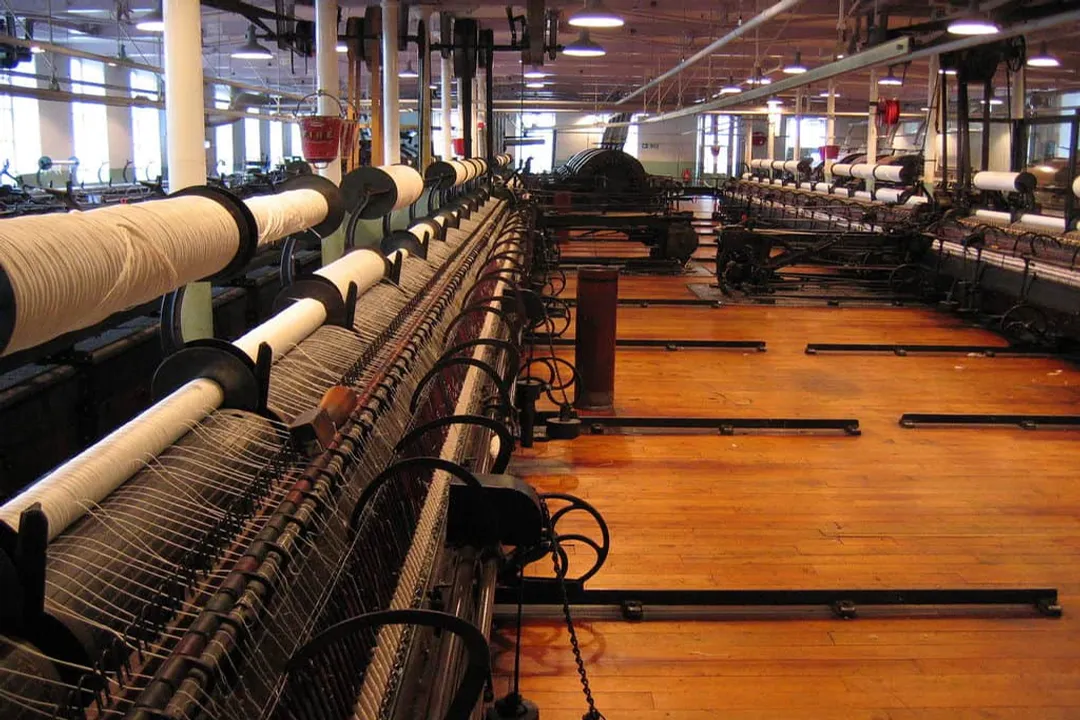
The transition from home-based cottage industry to centralized factory production fundamentally altered where the workforce lived. Approximately eighty percent of the population previously engaged in textile work across the countryside was compelled to move to developing urban centers to find employment. This rapid influx led to severe infrastructure strain, resulting in significant social issues such as extreme overcrowding, the spread of diseases like cholera and typhus, and poor living conditions.
Related Questions
Who was responsible for inventing the Flying Shuttle in 1733?What machine did the weaver and carpenter James Hargreaves invent in the mid-1760s?Why did the physical scaling of the Spinning Jenny necessitate the rise of the factory system?What was a significant technical limitation of the thread produced by the Spinning Jenny?What is the most plausible origin for the name of the Spinning Jenny?What was a major long-term demographic consequence of the centralization of spinning and the rise of factories?Why was James Hargreaves unable to successfully sue copyists who manufactured his invention?What role did the Spinning Mule play in the textile industry starting around 1810?How did the combination of the Flying Shuttle and the Spinning Jenny impact the general economy?Why did enraged hand spinners riot and destroy the creations of James Hargreaves in 1768?