How did the spinning jenny evolve over time?
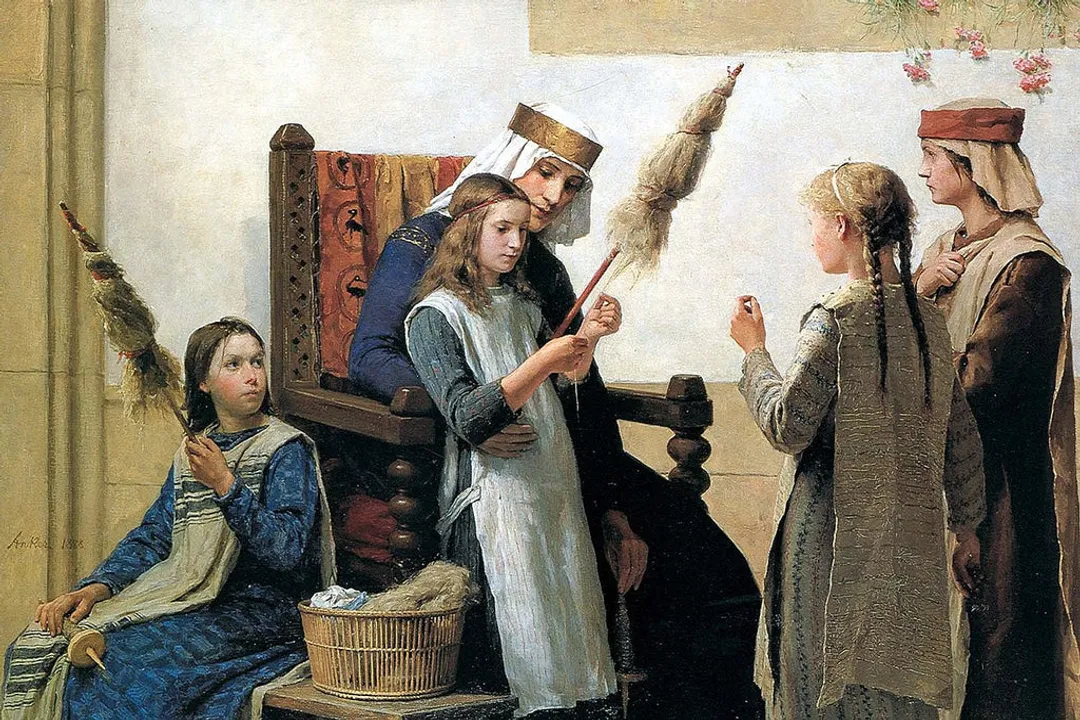
The textile industry of mid-18th century England was marked by a severe imbalance in production speed. While innovations like John Kay’s flying shuttle dramatically sped up the weaving process, the manual task of spinning yarn remained a major bottleneck. [2][6] A single weaver could easily outpace several hand spinners working on traditional spinning wheels, each capable of producing only a single thread at a time. [2][8] This created a desperate need for a mechanical device that could spin multiple threads concurrently, allowing the slower part of the process to catch up with the faster one. [6]
# Hargreaves's Insight
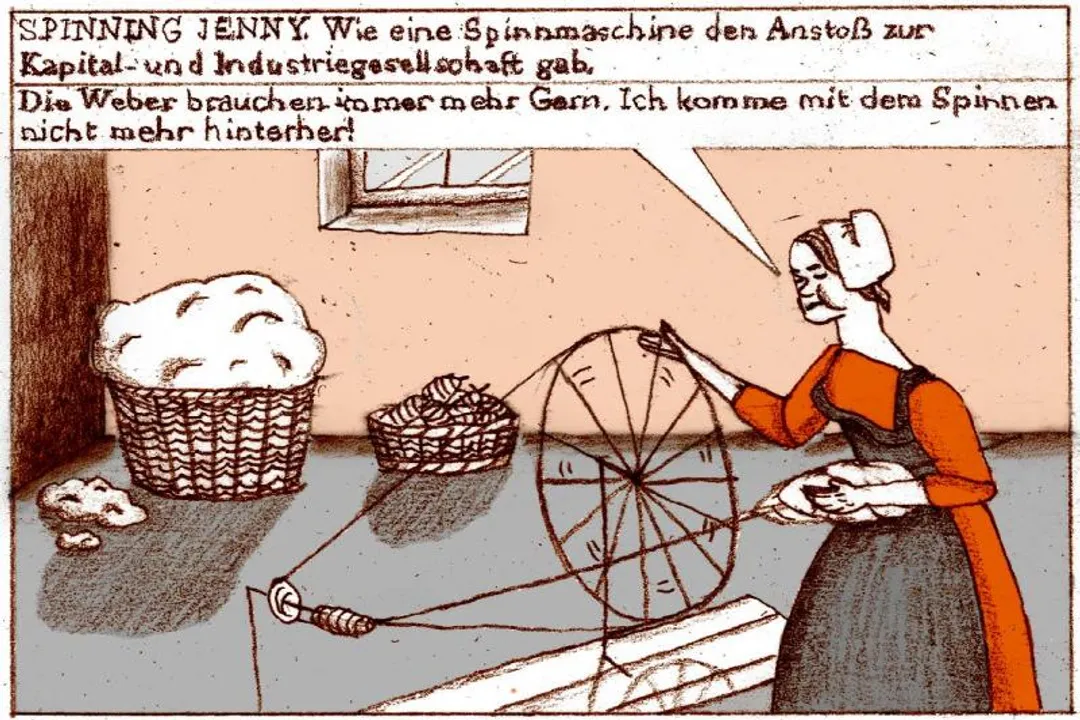
The solution arrived from James Hargreaves, a cotton spinner hailing from Stanhill in Lancashire, around the year 1764. [2][6] The precise moment of inspiration is often recounted, though perhaps embellished by time: legend suggests he observed his wife struggling to manage multiple spindles of yarn, perhaps knocking over a spinning wheel, which somehow sparked the idea for a machine that could hold and operate several spindles at once. [2] Regardless of the exact catalyst, Hargreaves recognized the fundamental limitation of the existing technology—the restriction to one thread—and aimed to multiply that output immediately. [8]
# Machine Design
The resulting invention, the Spinning Jenny, was a modest yet transformative device by the standards of the time. [6] Its earliest confirmed iteration allowed a single operator to work eight spindles simultaneously. [2][3][9] This was a profound leap from the conventional wheel. [8] The machine utilized a wheel connected via belts to the multiple spindles, allowing the spinner to feed the raw fibers and manage the winding process for eight separate strands concurrently. [2]
The origin of the name remains a point of historical debate. While many credit Hargreaves for naming it after his wife, Jenny, others suggest the name derived from the word gin, short for engine or machine. [2][3] Regardless of the etymology, the machine’s function was clear: multiplication of manual labor. [2]
# Early Scaling
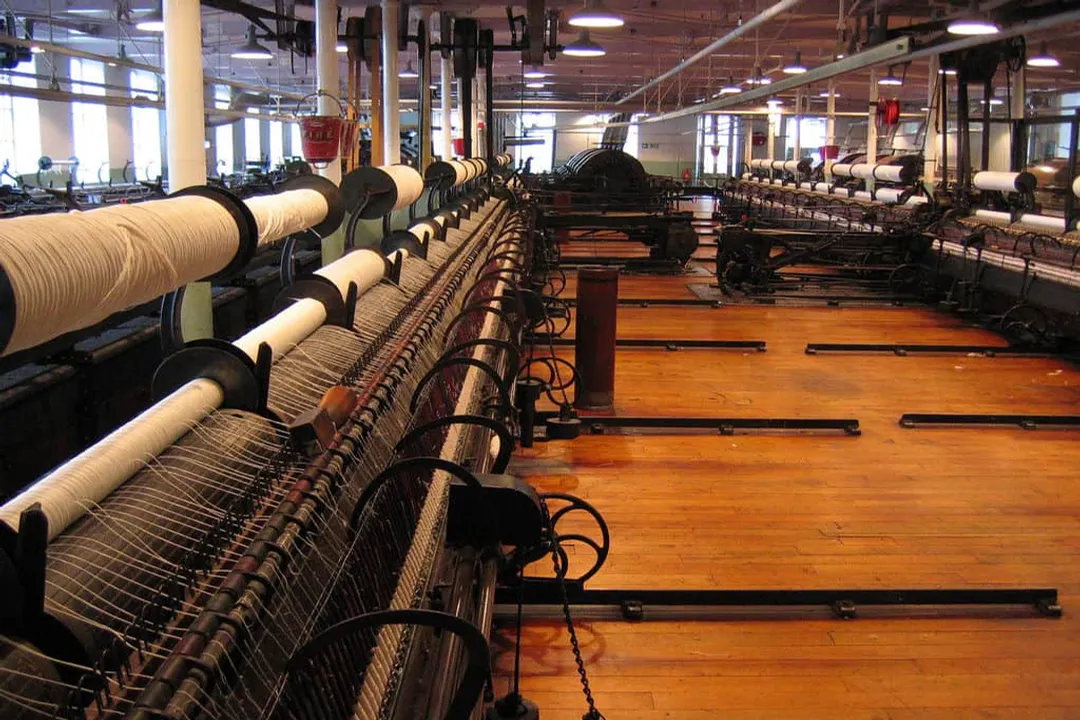
Initially, the Spinning Jenny was constructed primarily of wood and operated by hand cranking. [2] This first-generation machine was not only an improvement in terms of thread count but also relatively accessible, allowing it to be used initially within the domestic or cottage industry setting, albeit for a limited duration. [4]
As the machine proved its worth, incremental improvements began almost immediately. The capacity was not fixed at eight spindles; within a few years, versions capable of handling twelve spindles appeared. [3] By the time the technology matured and perhaps moved into slightly larger settings, some Jenny variations could manage up to twenty-four spindles. [2] It is interesting to consider that while the initial eight-spindle model might have been easily integrated into a home workshop, scaling the operation required a corresponding increase in the sturdiness of the materials and the consistency of the power source—a transition that would later favor water power, pushing production out of the smallest cottages and toward early mills. [2][5] This early growth in spindle count highlights a common pattern in industrial innovation: the initial proof of concept rapidly drives users to test the upper limits of its mechanical scalability [^(1)].
# A Critical Weakness
Despite its revolutionary ability to increase yarn volume, the Spinning Jenny possessed a crucial inherent flaw tied to its mechanics. The process used by the Jenny—where the roving (the slightly twisted strand of fiber) was drawn out by the movement of the spindle carriage—only imparted enough twist to create coarse, weak thread. [2][4]
This type of thread was suitable for use as weft (the filling yarn woven horizontally), but it was generally too fragile and inconsistent to be used as warp (the strong, load-bearing yarn running vertically on the loom). [2][4] For warp, a stronger, more tightly spun thread was required, something the Jenny could not reliably produce. [4] This limitation meant that while the Jenny solved the weft bottleneck, it left the production of high-quality warp thread still dependent on older, slower methods, meaning weavers could not yet achieve full-speed production utilizing only Jenny-spun yarn [^(2)]. This specific shortcoming paved the way for the next major wave of innovation, namely Samuel Crompton’s Spinning Mule, which would later combine the best elements of the Jenny with Richard Arkwright’s Water Frame to produce a superior, strong, and fine thread. [4]

# Social Resistance and Non-Patenting
The disruptive nature of the Jenny was immediately apparent to the established workforce. In an era where job security was directly tied to manual skill, any machine that drastically reduced the required number of laborers provoked intense hostility. [2][6] Hargreaves faced threats and violence from local workers who viewed the machine as a direct threat to their livelihoods. [2]
This climate of unrest likely influenced Hargreaves's decision regarding intellectual property. He did not seek to secure a patent for his invention, or if he did, he failed to defend it adequately. [6] While not patenting cost him the fortune he could have accrued from licensing the technology, this choice may have been a pragmatic one focused on personal survival and the immediate, safe deployment of his device, even if it meant forfeiting long-term financial rewards. [2][6] For an inventor working outside established industrial and legal support structures, avoiding the direct wrath of a threatened local workforce was often a more immediate concern than securing future royalties [^(3)].
# Industrial Transformation
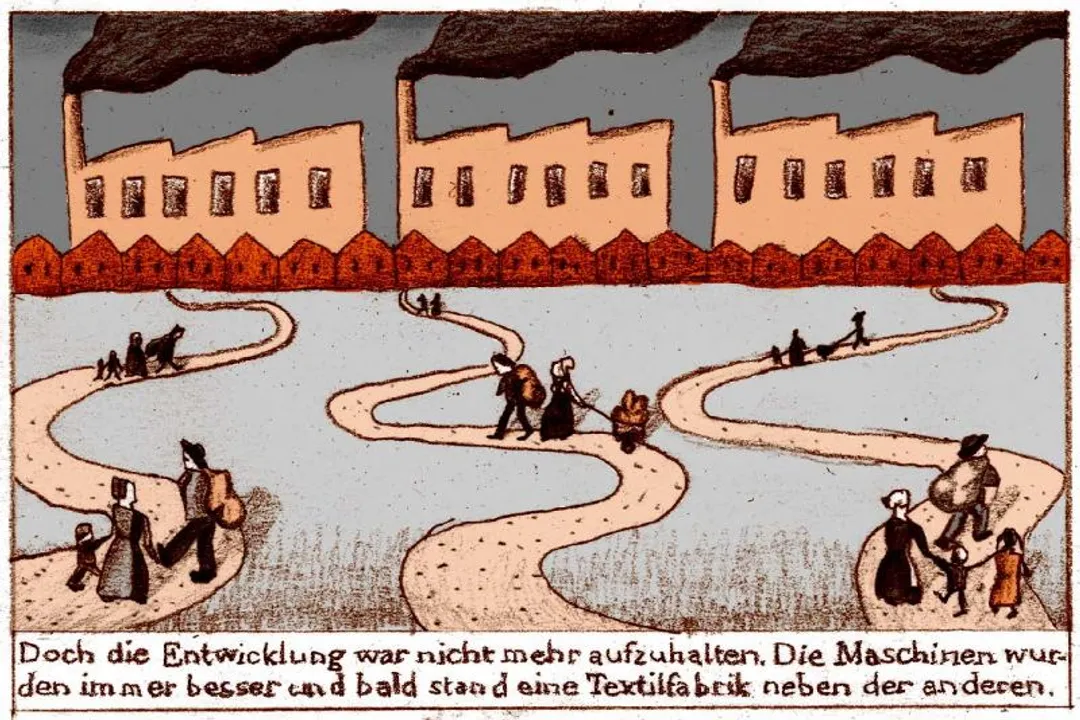
The introduction and subsequent slow evolution of the Spinning Jenny marked a significant turning point in manufacturing history, playing a fundamental role in ushering in the Industrial Revolution. [7] By demonstrating the vast potential of mechanized spinning, the Jenny, along with successor machines, began the irreversible shift of textile production away from decentralized domestic settings and toward centralized factory locations. [4][5]
The basic principle—multiplying the output of a single operator—became the guiding light for subsequent inventions. The Jenny’s conceptual leap set the stage for machines like the Water Frame and the Spinning Mule, which directly built upon its foundational idea to solve its shortcomings. [4]
Here is a brief comparison illustrating the Jenny's place in the immediate lineage of spinning technology:
| Machine | Inventor | Approximate Date | Key Feature | Thread Quality |
|---|---|---|---|---|
| Spinning Jenny | James Hargreaves | c. 1764 | Multiple spindles (8+) | Coarse, weak (suitable for weft) [2][4] |
| Water Frame | Richard Arkwright | c. 1769 | Used rollers, powered by water | Strong, hard twist (suitable for warp) [4] |
| Spinning Mule | Samuel Crompton | c. 1779 | Combined Jenny and Water Frame principles | Strong and fine (suitable for both) [4] |
The Jenny initiated the process of mechanization, but it was the subsequent inventions that fully unlocked the potential for all-cotton cloth production that could rival the quality of traditional linen or silk warp [^(4)]. The transition was not instantaneous; rather, it was a phased development where each machine addressed a specific constraint left by its predecessor. [4] The early Jenny, while imperfect, provided the necessary proof of concept that proved the viability of high-volume mechanical spinning, making the subsequent capital investment in larger, water-powered mills economically sensible. [5][7] The evolution from Hargreaves's hand-cranked wooden frame to the massive, multi-spindle machines that powered the early textile factories shows a clear trajectory: the initial breakthrough focused on quantity, while later inventions focused on quality and power to achieve true industrial scale. [2][4]
Related Questions
#Citations
The Spinning Jenny: A Woolen Revolution - Faribault Mill
James Hargreaves' Spinning Jenny and the Industrial Revolution
Spinning jenny - Wikipedia
The Spinning Jenny | Environment & Society Portal
A self-actor – How spinning machines changed the manufacture of ...
Spinning Jenny | Facts, Invention, Industrial Revolution & How It Works
From the spinning jenny to the smart factory - AVEVA
The Evolution of the Spinning Wheel - ThoughtCo
spinning jenny - Students | Britannica Kids | Homework Help
From Ancient Spindles to Industrial Mills: The Historical Evolution of