Why is it called a hoverboard?
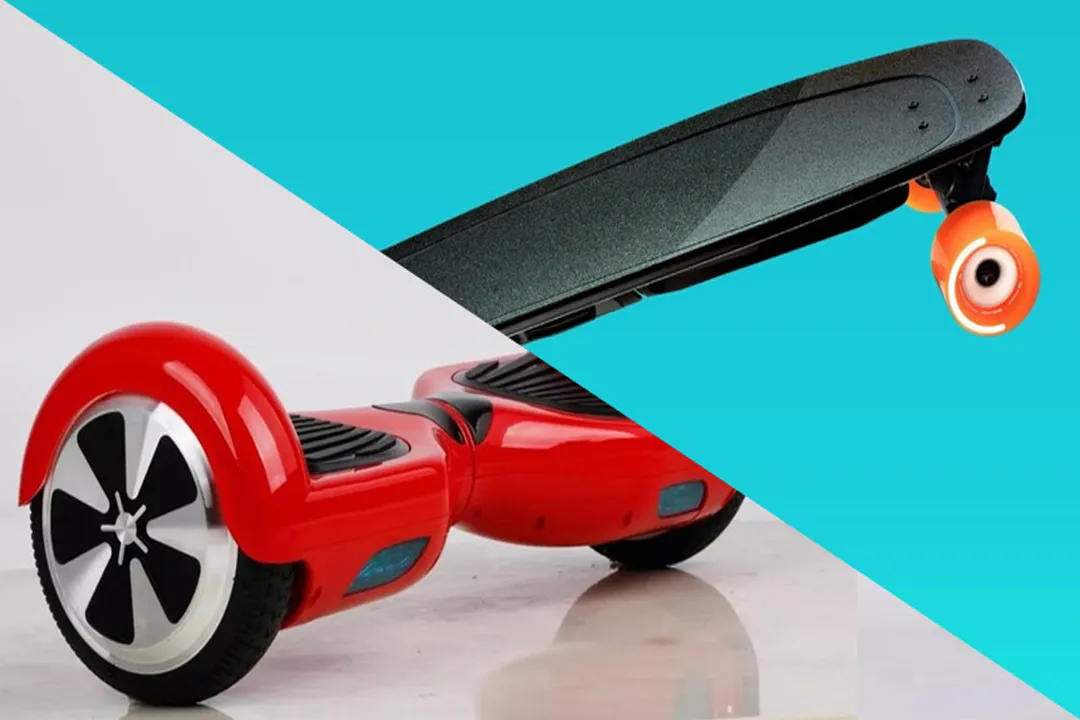
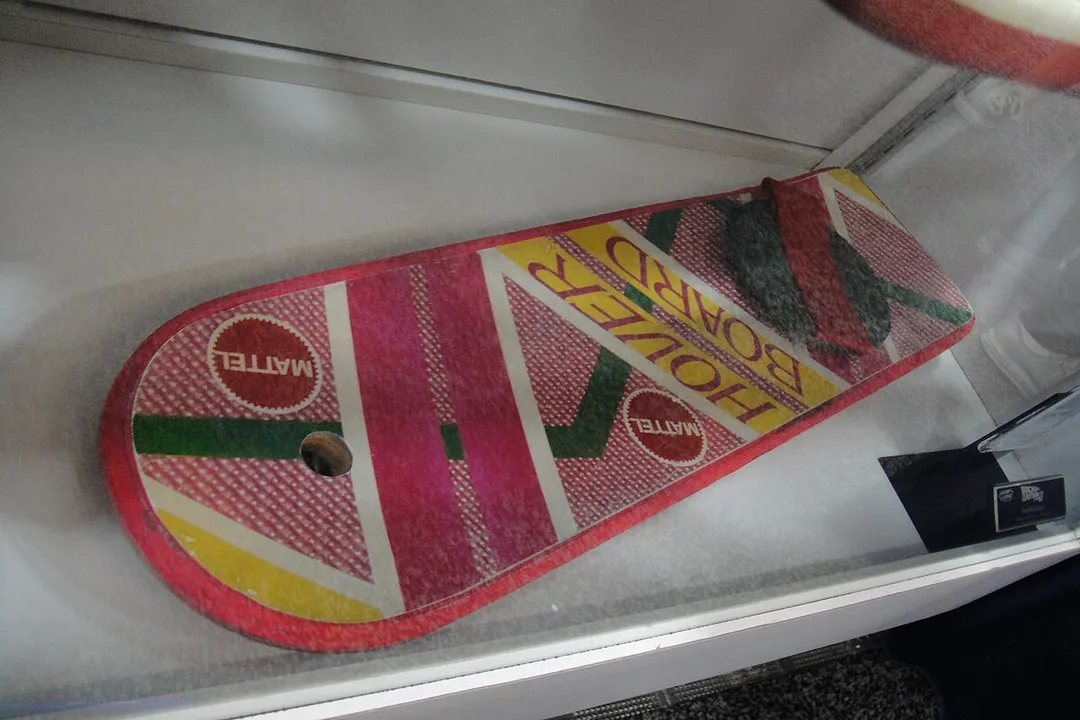
The wheeled devices that became a massive cultural phenomenon in the mid-2010s were quickly branded with a name that perfectly captured public imagination, even if it fundamentally misrepresented their actual mechanics: hoverboards. [4][2] The widespread adoption of the term "hoverboard" is directly tied to a major cinematic touchstone. In the 1989 film Back to the Future Part II, the character Marty McFly uses a futuristic skateboard that truly floats above the ground, which the movie explicitly calls a hoverboard. [1][4] This image of effortless, ground-skimming travel lodged itself in the cultural consciousness. [1] When similar-looking, two-wheeled, self-balancing personal transporters hit the market, the public and the media instantly applied the established, exciting sci-fi moniker, regardless of the technology involved. [1][4]
# Fictional Roots

The naming convention for these modern devices is a textbook example of science fiction influencing common language. [1] The concept of a board that floats without wheels is a persistent trope in futuristic media, and the Back to the Future iteration became the dominant cultural reference point. [1] The objects that finally arrived on the scene did not utilize anti-gravity or magnetic levitation as depicted in the film. [2][4] Instead, they are mechanical devices reliant on traditional contact with the ground, employing wheels to move. [4]
The original fictional device was depicted as being much simpler in its interface. It required no significant forward lean or backward lean to operate; it simply floated. [1] The mechanism in the movie was essentially magic relative to the technology available when the first commercial versions of the two-wheeled boards appeared. [1] Yet, the name stuck because it was evocative and exciting, far more appealing than a technically accurate description. [4]
# Marketing Power
The transition from a movie prop to a commercial product name was rapid, driven largely by media shorthand and consumer excitement. [4] When these motorized, two-wheeled platforms surged in popularity, perhaps around 2015, media outlets often used the term "hoverboard" simply because it was the closest, most recognizable label available, even if it was technically inaccurate. [1][4] This created a linguistic shortcut that became the dominant way to refer to the product globally. [1]
The term effectively bypassed the need to use the more cumbersome or less exciting official descriptions. [9] Consumers were searching for what they saw in movies, not what they were reading in engineering specifications. [8] The initial buzz surrounding these devices, often characterized by viral videos showing people riding them, cemented the "hoverboard" name in the public lexicon. [8] It is an example of popular culture hijacking technical nomenclature for the sake of excitement and instant recognition. [4]

# No True Levitation
The most significant disconnect between the name and the object is the absence of actual hovering capability. [2][4] These devices operate fundamentally differently from their fictional counterparts. [1] They do not levitate or float above surfaces; they roll on two wheels, one on either side of a central pivot point. [6]
The physical reality of the device involves a mechanism that relies on the rider's balance and constant ground contact:
- Movement: Propulsion is achieved through electric motors connected to the wheels. [6]
- Control: Steering and speed modulation are managed by sensors detecting the rider's shifts in weight and angle. [6]
- Stability: Gyroscopic sensors and accelerometers are key components that allow the board to maintain stability relative to the ground and the rider's input. [6]
When comparing the desired function to the achieved function, the difference is stark. The fictional model achieves height and motion through unknown, seemingly effortless physics, while the modern board achieves motion through standard electrical engineering principles. [1] One might suggest that the name "hoverboard" sets an expectation that is inherently impossible to meet, leading to instant disappointment when the user realizes they are simply riding a motorized, self-balancing skateboard. [8] This mismatch in expectation is something manufacturers and safety advocates have had to navigate. The very name implies a level of frictionless, physics-defying freedom that the wheeled platform simply cannot deliver. [4]
| Feature | Fictional Hoverboard (1989 Film) | Modern Self-Balancing Scooter |
|---|---|---|
| Support Mechanism | Levitation/Anti-gravity | Two ground-contacting wheels |
| Interaction with Surface | Floats above the surface | Rolls on the surface |
| Primary Naming Source | Science Fiction | Marketing & Media Shorthand |
| Operation | Appears effortless/magical | Requires dynamic rider balance/input |
# Technical Names
Despite the popular use of "hoverboard," industry experts and safety organizations prefer more precise terminology that describes what the product actually is and how it works. [9][6] The preferred technical name for these two-wheeled personal transporters is the self-balancing scooter. [6][9] This designation accurately reflects the core technology that allows the device to remain upright without the rider needing to use their hands for stabilization. [6]
The evolution of naming standards reflects an attempt to establish authority and clarity, particularly as the devices entered the consumer mainstream and encountered safety issues. [7] Organizations focused on product standards, such as the American National Standards Institute (ANSI), work to create testing protocols for these devices. [7] Using "self-balancing scooter" provides a clear basis for defining engineering requirements, operational parameters, and safety regulations, which is much harder when the accepted name suggests levitation. [7] Other technical synonyms that have been used include self-balancing two-wheeled motor vehicle or self-propelled balancing device. [6] Recognizing the official designation—self-balancing scooter—is important for anyone looking up technical manuals, warranty information, or safety certifications, as product documentation is far more likely to use this term than the colloquialism. [9]

# Navigating Expectations
The term "hoverboard" acts as a cultural artifact, illustrating how powerful media narratives can become. [1] While the name is scientifically inaccurate, its staying power reveals a consumer desire for futuristic personal transport solutions. [8] An interesting side effect of this naming confusion is how it frames consumer perception of safety and capability. If a product is named after a device that defies gravity, its limitations—such as battery overheating incidents or the physical risk of falling off wheels—might be perceived as failures of the concept rather than expected risks of a wheeled vehicle. [7] The gravity of the actual, wheeled technology requires riders to develop coordination and balance, a skill completely unnecessary for the fictional board. [1]
For consumers purchasing one of these devices, understanding the distinction between the name and the reality can inform their expectations regarding training and use. Unlike true hypothetical hoverboards that might require no specific physical input other than direction, the self-balancing scooter demands active rider engagement. Think of it less like standing on a rug that floats and more like standing on a rapidly responding, motorized platform that constantly fights to keep its center point level. [6] Mastering the device requires developing a feel for how subtle shifts in ankle pressure translate into motor commands, a skill entirely absent from the Back to the Future depiction. [1] This means that for any new rider, the initial experience will be dominated by learning this balance dynamic, rather than instantly mastering a seemingly intuitive floating mechanism.
# Safety Context
The whirlwind rise of these scooters also brought significant scrutiny regarding their safety, especially concerning battery fires that occurred in early models. [2][7] This regulatory pressure often focused on the physical product itself, which made the inaccurate branding even more problematic for industry alignment. [7] When regulators or consumer protection agencies issue warnings or establish standards, they must tie those rules to the actual mechanics—the wheels, the motors, and especially the lithium-ion batteries—which are features of a self-balancing scooter, not a levitating board. [7]
For instance, organizations like ANSI focus on establishing performance criteria for testing these products to ensure reliability and safety across the board. [7] This requires adherence to standards like UL 2272, which specifically addresses the electrical system and battery configuration of the motorized mobility device. [7] Had the devices been marketed strictly as "self-balancing scooters" from the start, the regulatory dialogue might have been more grounded in established wheeled vehicle safety parameters from the outset, rather than having to address the fallout from a name that promised impossible performance. [9] This entire episode serves as a modern case study in how media hype can overtake technical accuracy, creating downstream challenges for safety certification and consumer education. [4]
#Videos
WHY ARE THEY CALLED HOVERBOARDS?! - YouTube
Related Questions
#Citations
Why Is It Called a Hoverboard? The Fascinating History ... - GYROOR
Hoverboard - Wikipedia
To the guy wondering why they're called Hoverboards. - Reddit
Why do we call them HOVERBOARDS® if they don't hover?
WHY ARE THEY CALLED HOVERBOARDS?! - YouTube
A Background on Hoverboards - The ANSI Blog
Why are (2 wheeled) hoverboards popular, and why are they called ...