Why is a raincoat called a Macintosh?
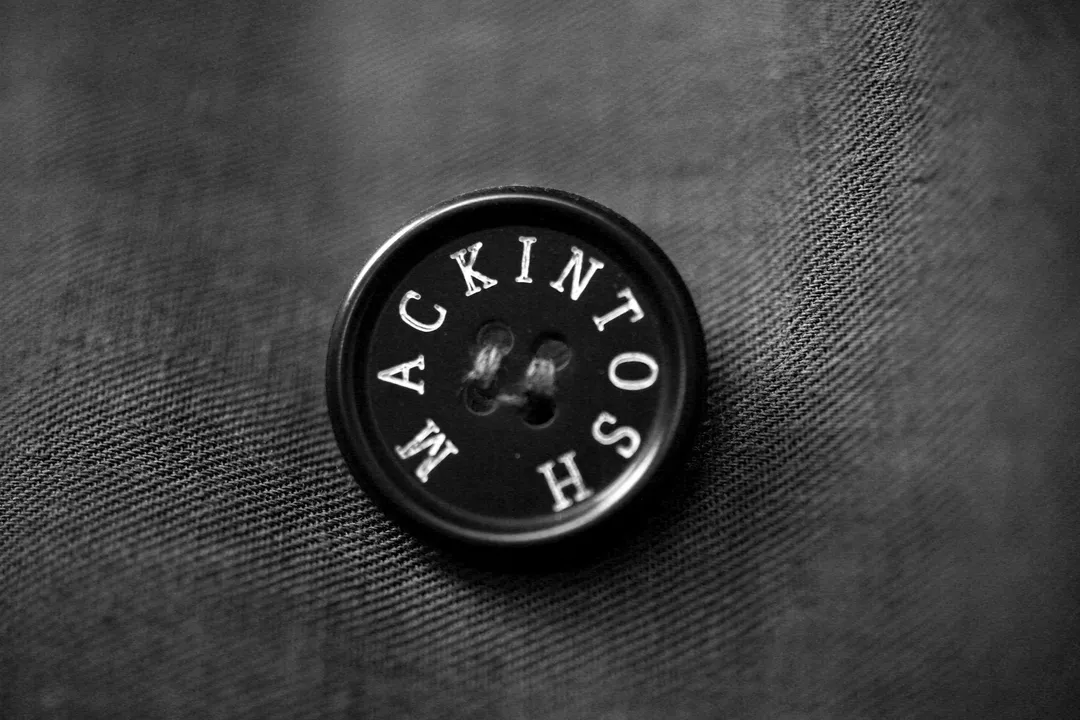
The simple, familiar term for a waterproof outer layer, the "Mac," owes its entire existence to a single Scottish chemist and his groundbreaking—if initially flawed—invention in the early 19th century. When you reach for a Mackintosh to ward off an unexpected downpour, you are directly referencing the surname of the man who solved the persistent problem of keeping dry using modern chemistry: Charles Macintosh. [3][10]
# Inventor's Name
Charles Macintosh was a chemist based in Glasgow, Scotland. [10] His breakthrough arrived in 1823 when he secured a patent for a novel method of waterproofing textiles. [1][3] This invention wasn't just a new style of coat; it was the introduction of the first genuinely practical, manufactured waterproof fabric designed for everyday wear. [2] The name stuck so firmly that it became a genericized trademark for any rubberized raincoat, regardless of who manufactured it. [1]
# Chemical Breakthrough
The genius of Macintosh’s process lay in creating a composite material that relied on a rubber solution. [1][5] He realized that rubber, when dissolved using coal tar naphtha, could be effectively bonded between two layers of fabric. [1] This created a barrier that water could not penetrate, unlike earlier, less reliable methods of waxing or oiling materials. [2] The resulting garment, the mackintosh, offered an unprecedented level of protection from the elements, which was crucial in the often-damp climate of the British Isles. [8]
It is worth noting the subtle spelling difference that persists. While the inventor spelled his name Macintosh, [10] the resulting garment is often spelled Mackintosh when referring to the specific product or modern brand that carries on his legacy, or simply Mac in common parlance. [1]

# Early Material Flaws
While revolutionary for its time, the initial iteration of the Macintosh raincoat was far from perfect by today's standards. [2] Because the waterproofing relied on natural rubber treated with a solvent, the finished coats suffered from several significant limitations. [8] They were often heavy and stiff, making them cumbersome to wear and store when dry. [2] More problematically, the rubber compound reacted poorly to temperature fluctuations. [8] In the summer heat, the material could become sticky and unpleasant to the touch, while in colder weather, the stiffness only increased. [2]
The fact that the name survived these material deficiencies speaks volumes about the sheer novelty of the waterproof function itself. People accepted the discomfort because, for the first time, they had reliable defense against persistent rain without the weight and rigidity of traditional oilskins. [2] This early trade-off—accepting a stiff, sometimes smelly coat for guaranteed dryness—established the concept of the raincoat, paving the way for lighter, more breathable synthetics that followed centuries later. [1]
# Distinguishing Coats
The term "Mac" is sometimes used loosely to describe any trench coat or waterproof jacket, but historically and structurally, there are differences rooted in their respective origins. [7] A trench coat, for instance, carries strong military lineage, often featuring double-breasted fronts, shoulder epaulets, and D-rings for attaching military gear. [9] Its primary defining feature is its cut and heritage. [7]
In contrast, the Macintosh coat is primarily defined by its material. [7] The classic Mac is simpler, often single-breasted, and its defining characteristic is the rubberized or waterproofed fabric construction, directly referencing Charles Macintosh’s initial patent. [7][9] If a coat is stiff, single-breasted, and clearly constructed by sandwiching materials, it likely aligns more closely with the original Mac design ethos, whereas a trench coat’s defining features are textural and historical additions applied over a basic protective silhouette. [7]

# Modern Usage
Today, waterproof outerwear is dominated by sophisticated synthetics like nylon and polyester blends, often using membranes or coatings that offer far superior breathability and comfort compared to early rubberized fabric. [2] Because of this technological shift, the use of the word "Mac" as a blanket term for any raincoat has somewhat faded, particularly in North America. [6] In the United Kingdom, however, the term remains a recognized and commonly understood colloquialism for a rain jacket, even if the specific construction method is no longer in vogue. [6]
The enduring legacy of the term highlights a fascinating linguistic phenomenon: an inventor’s name becoming the common noun for his invention, much like Hoover or Biro. [1] Even as the physical properties of the coats have evolved far beyond what Charles Macintosh could have envisioned in 1823, the simple, three-letter shortening, "Mac," persists as a simple way to request protection from the rain. [6]
Related Questions
#Citations
Mackintosh (raincoat)
Why Is A Raincoat Called A “Mac"? - Journal | Lighthouse
Mackintosh | Raincoat, Waterproof & Scotland
the Macintosh (very often spelt “Mackintosh”) which was ...
Mackintosh Deconstructed | Handmade In The UK
Is mac commonly used word for raincoat : r/EnglishLearning
Vintage Raincoats: Trench Coat or Mac?
Curious Questions: Why do we call a waterproof rain coat ...
The difference between a trench coat and a macintosh
History of the Mackintosh: 200 years of the classic raincoat