Why is my Velcro adhesive not sticking?
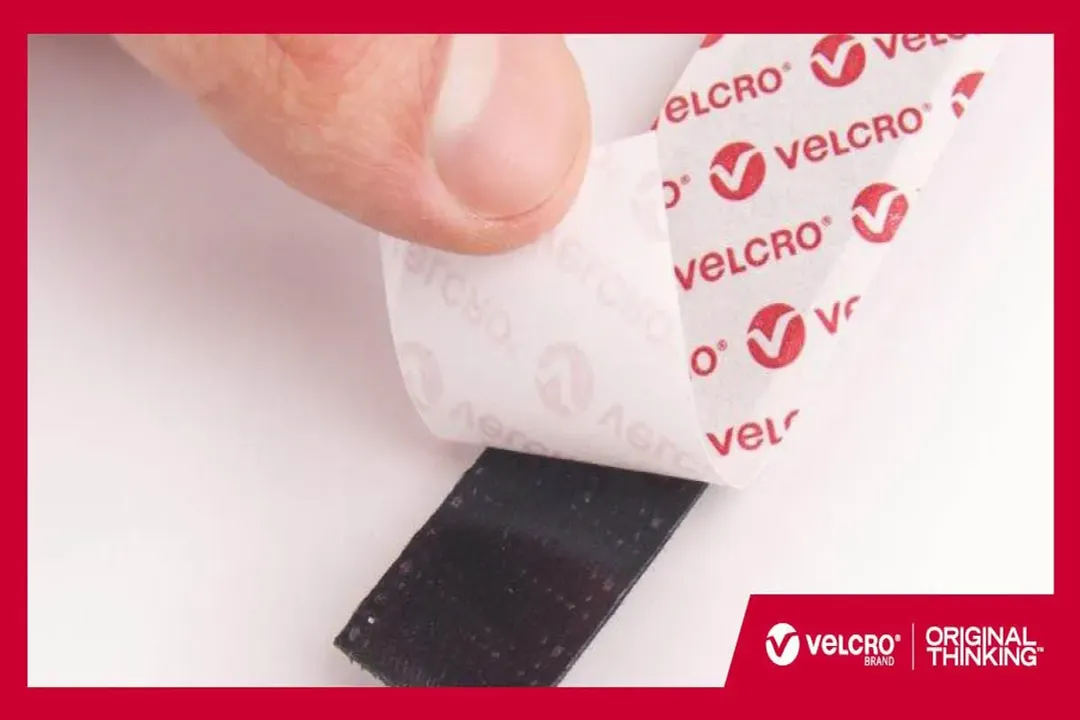
The familiar frustration of a detached Velcro strip is a common experience, whether you are tidying a computer setup or securing an accessory inside a vehicle. When the adhesive backing on hook-and-loop fasteners gives way, it usually points to one of two distinct problems: either the physical gripping mechanism (the hooks and loops) has worn out, or the bond between the fastener and the surface has failed. [1][7] Understanding which failure mode you are facing is the first step toward a permanent fix.
# Failure Twofold
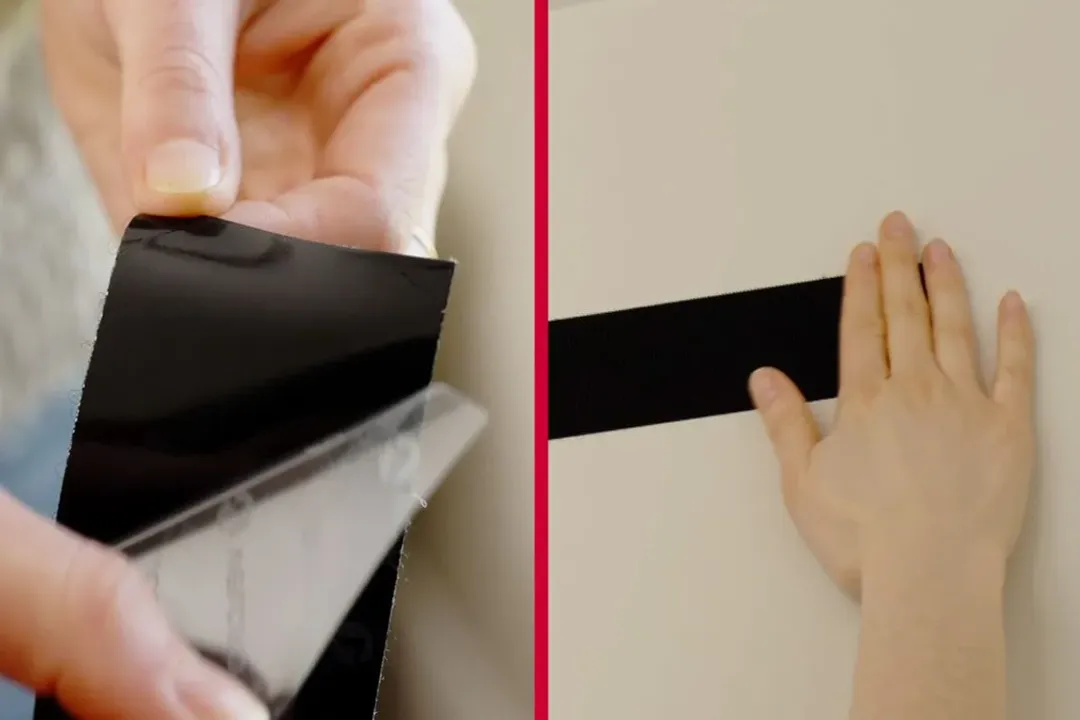
Hook-and-loop systems consist of two different components: the stiff, plastic hooks and the softer, fabric loops. [1] The connection relies on the integrity of both sides. If the sticking power disappears, it means either the adhesive holding the strip to the mounting surface has failed, or the hooks and loops themselves are no longer engaging effectively. [1][5]
For the physical connection, failure often presents as dirt, lint, hair, or debris clogging the tiny hooks or getting caught in the loops, preventing proper latching. [1][5] With repeated use, the hooks can bend or break out of shape, or the loops can become flattened and matted down, significantly reducing their ability to grip. [1]
When the issue is the bond to the surface—the adhesive giving out—the failure is often more dramatic, resulting in the entire strip falling off, sometimes after only a few months. [3] This adhesive failure is rarely random; it is usually the result of environmental hostility or an incorrect material pairing for the application. [7]
# Surface Chemistry
The composition of the material you are attempting to stick the Velcro to is perhaps the single biggest determinant of adhesive success or failure. You can have the strongest industrial-grade Velcro, but if the surface rejects the acrylic or rubber-based adhesive used on the backing, it will detach.
For general, non-problematic surfaces like painted walls or wood, standard adhesive-backed Velcro might hold for a long time, provided the surface is clean and dry. [3][7] However, the world of interior automotive panels presents a much tougher environment. [3] Many common plastics, such as those found on vehicle dashboards or interior trim, are susceptible to plasticizer outgassing. [3] Plasticizers are chemicals added to plastics to keep them flexible; over time, especially when exposed to heat and sun, these chemicals migrate to the surface. [3] This oily residue attacks and breaks down the adhesive backing, causing the Velcro to peel away despite thorough initial cleaning with alcohol. [3][7]
When dealing with these low surface energy (LSE) plastics—materials that are inherently unwilling to bond with many substances—you need an adhesive specifically formulated to overcome this chemical resistance. Simply purchasing "Industrial Strength" Velcro may not be enough if its adhesive uses the same chemistry as the standard type that failed previously. [3]
# Age and Wear
Even without surface chemistry complications, adhesive Velcro has a finite life cycle based on how often it is used and the general environment it endures. [7]
If the adhesive seems sound but the strip no longer holds well even when pressed together, look closely at the fabric itself. For the hook side, inspecting for flattened or broken hooks is necessary. [1] For the loop side, overuse can cause the fibers to compress until they no longer provide enough "catch" for the hooks. [1] This kind of mechanical fatigue happens faster under constant strain or in high-vibration settings, such as attaching a heavy item or using it on something that frequently crashes or is repeatedly removed. [6]
# Restoring Grip
Before abandoning the strip entirely, a focused effort on cleaning and reforming the hook and loop material itself can often restore much of the lost connection strength. [1]
# Cleaning Debris
Dirt and trapped fibers are the easiest issues to solve. You need to meticulously clear any lodged material from the hooks and the loops. [1][5]
- Brushing: Use a stiff, fine-bristled tool, such as an old toothbrush or a fine-toothed comb, to gently brush along the surface of both the hook and loop sides. [1][5] This should dislodge most dust and lint.
- Extraction: For stubborn debris like hair or fuzz, use adhesive tape—pressing it onto the surface and peeling it away—or a pair of tweezers to pull out the embedded material. [1]
- Washing: If the material is heavily soiled, a gentle soak in a mild soapy solution followed by a soft brush scrub can work. Crucially, allow the hook and loop material to air dry completely before attempting to reattach it. [1][7]
# Reshaping Fibers
If cleaning doesn't restore the connection, mechanical reshaping might be needed. [1]
For matted loops, gently combing the loop side with a fine-tooth comb can lift and separate the strands. [1] A more aggressive technique mentioned in some user circles involves quickly passing a lighter flame over the loop side to encourage the synthetic fibers to curl back up, though this must be done with extreme caution to avoid melting or igniting the material. [5] If hooks are visibly bent, a small pin or needle can be used to gently pry them back into their upright position. [1] If hooks are clearly broken or frayed, it is better to trim them away entirely, as damaged hooks only compromise the overall function. [1]

# Upgrading Adhesion
When the surface is the problem, or the original adhesive was simply insufficient for the load, you must replace the factory-applied tape with a superior solution. [3] Users report that off-the-shelf adhesive Velcro often fails in demanding environments, leading them to seek specialized alternatives. [3][4]
# Better Tape Options
Several high-performance tapes are frequently recommended over standard adhesive backings:
- 3M Dual Lock: This family of products is cited as offering better performance than standard hook-and-loop adhesive, especially on plastic dashboards where heat is a factor. [3] Some versions are rated for high temperatures and use Low Surface Energy (LSE) specific adhesives, making them suitable for challenging plastic applications without leaving excessive residue upon removal. [3]
- VHB Tapes: Very High Bonding (VHB) tapes, especially foam-core varieties, are known for creating extremely strong, near-permanent bonds on many surfaces. [3] A key point to note is the market saturation of counterfeits; real 3M VHB tape is very aggressive and often stronger than the material it is bonded to, but it is also more expensive, and verification of authenticity is recommended when purchasing. [3]
- Contact Cement or Rubber Cement: For applications where the standard adhesive fails, switching to tried-and-true industrial cements can be a viable alternative to pre-backed tapes. [3]
For applications requiring high load bearing in challenging spots like vehicle interiors, some users suggest layering the solution. One method involves attaching a piece of high-strength, non-adhesive Velcro to the surface using a strong intermediate adhesive like VHB tape, and then using Cyanoacrylate (CA) glue between the back of the Velcro and the VHB layer. This creates a flatter, more complete bond across the potentially uneven woven backing of the hook or loop material. [3]
# Application Mastery
Getting the new adhesive to stick requires perfect execution. Many adhesive failures stem not from the adhesive itself, but from rushed or flawed application procedures.
# Surface Prep Checklist
The foundation of any strong bond is surface preparation. This process is universally stressed across all successful applications. [7]
- Cleanliness: The mating surface must be free of all oils, dust, debris, and any lingering surface treatments like protectants or waxes. [3] Wiping down the area with an isopropanol alcohol solution is the standard recommendation for degreasing. [3] Wipe in a single direction with a clean cloth until both the surface and the cloth are free of contamination.
- Dryness: The surface must be completely dry after cleaning before any adhesive touches it.
- Temperature Control: Adhesive bonding works best within a moderate temperature range, generally between and ( to ) with relative humidity below 60%. Applying tape in cold conditions severely limits its ability to create a strong bond.
- Corner Nipping: When working with heavy-duty strips, nipping or rounding the sharp corners of the tape can prevent premature peeling, as sharp corners are common catching points that initiate lift.
# Curing Time Insight
A frequent oversight when using strong tapes like VHB is rushing to put the attached item under load. While some adhesives set instantly, achieving optimal strength takes time. Waiting a minimum of 24 hours, and sometimes up to 72 hours, allows the adhesive to fully cure and achieve its maximum bonding strength. Applying weight before this period is complete can compromise the bond before it has fully set, even if the tape is high quality.
For applications where the load is significant, consider the direction of the pull force. If you are attaching something that pulls away often, the required surface area of the backing tape should be significantly larger—up to four times the surface area of the Velcro strip in the direction of the expected pull—to distribute the stress more effectively onto the mounting surface. [3] This principle of distributing shear load is one reason why Dual Lock (which has rigid substrates) sometimes outperforms flexible, adhesive-backed Velcro, as it spreads the stress more evenly across the adhesive layer. [3]
If you are working with soft, porous materials like foam board, especially in dynamic hobbies like model building, standard adhesive failure is common due to the flexing of the foam. [6] In these specific cases, using hot glue has proven effective. The advanced method involves first applying hot glue to the Velcro backing, pressing it into place, and then running a thin bead of hot glue around the edges where the plastic meets the substrate, flattening it carefully so it doesn't gum up the hook or loop material. [6] This edge-sealing effectively locks the perimeter down against peeling forces. [6]
For situations where permanent removal is not a concern and failure is unacceptable, specialized two-part epoxies or RTV silicone adhesives (which cure at room temperature, or RTV) can create extremely secure, long-term bonds to many plastics, although removal might require aggressive chemical solvents. [3] Conversely, if frequent removal is a high priority, it may be wise to skip all adhesives for that specific item and opt for alternatives entirely, such as sewing the hook/loop material on (if appropriate for the material) or switching to magnetic attachment points, which many users resort to when adhesive Velcro consistently fails on vehicle panels. [3][4][5]
Related Questions
#Citations
Adhesive Velcro Strips Not Holding Up
Adhesive back Velcro wont stick for very long on interior ...
How to Apply Adhesive-backed VELCRO® Brand ...
Why Won't My Velcro Stick Anymore? Understanding ...
Getting velcro to stick?!
How to Make Old Hook and Loop Tape Stick Again | Blog