Why does Velcro stop sticking after washing?
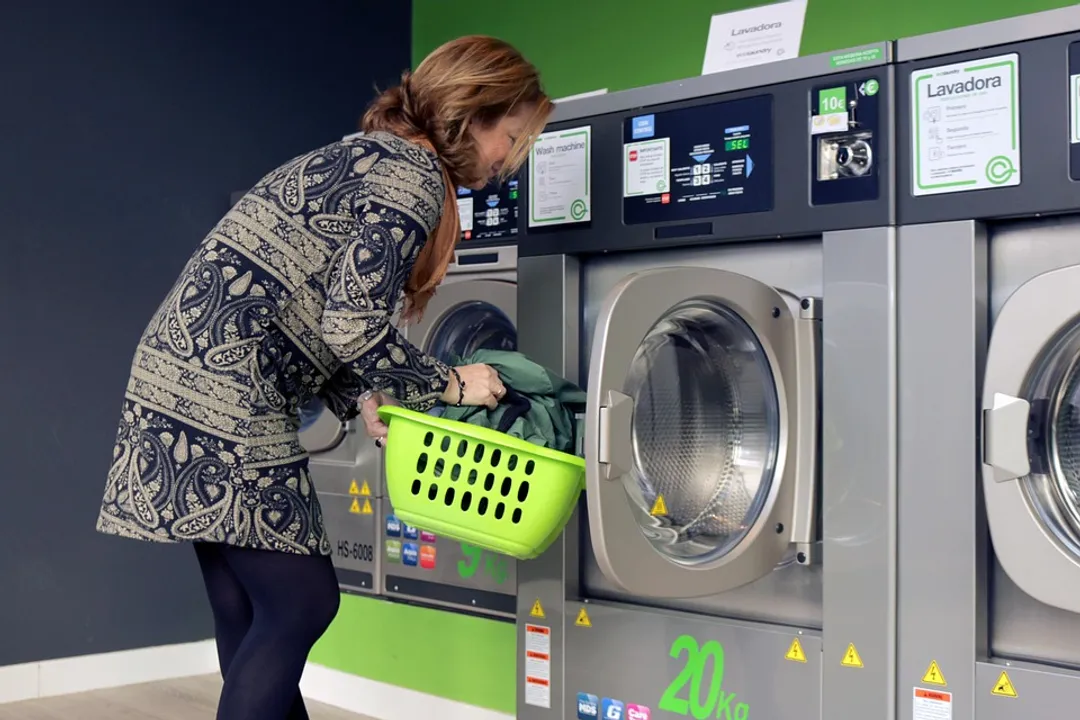
The reliable grip of hook-and-loop fasteners, commonly known by the brand name Velcro, seems to vanish frustratingly quickly after items go through the laundry. That satisfying zzzzzip sound can be replaced by a weak, mushy connection, leaving gear unsecured or straps loose. [1] The loss of stickiness isn't usually due to the material magically dissolving; rather, it's a consequence of physical obstruction and chemical residue interfering with the precise engineering that makes the fastener work. [7] Understanding the root cause involves looking closely at the thousands of tiny hooks on one side and the corresponding loops on the other.
# Debris Blockage
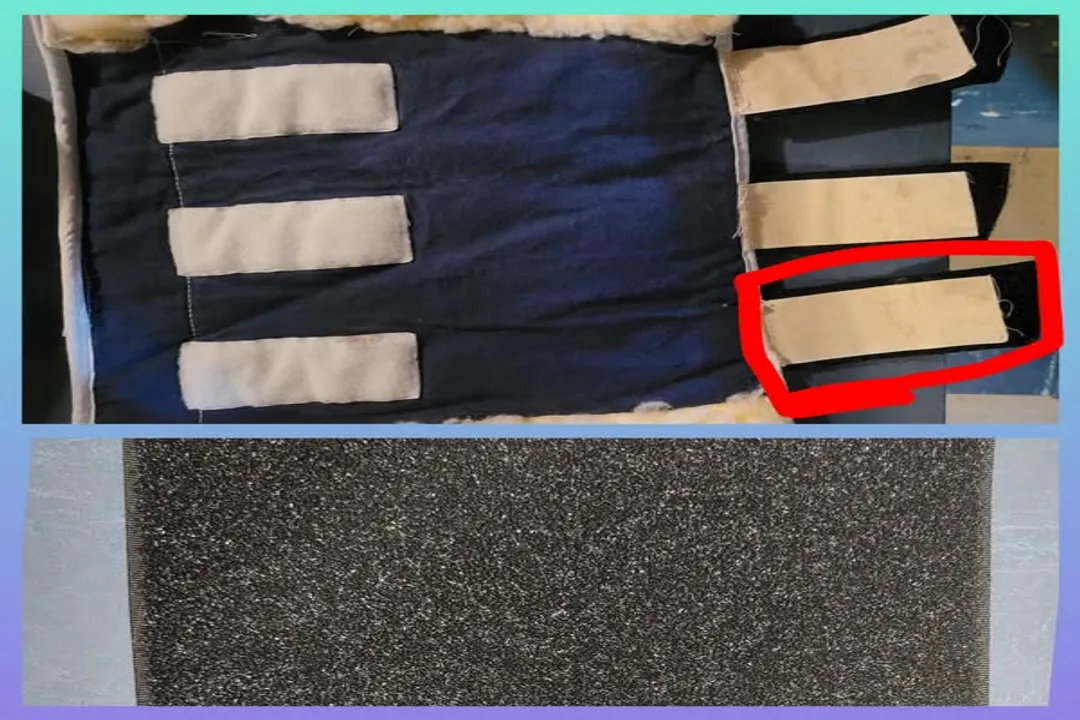
The core function of hook-and-loop relies on the hooks physically catching inside the loops. [7] This interlocking mechanism requires a relatively clear pathway for both sides to meet and engage fully. The primary enemy of this connection is lint and debris. [1]
During regular use, the hook side often picks up fibers from clothing, dust from the environment, and general grime. When you toss the item into the wash, these trapped particles do not simply wash away; they often become compacted deeper into the weave of the material. [5] The loops, especially on the softer side, trap tiny threads and fuzz, effectively creating a carpet that is too thick for the opposing hooks to penetrate. [1][7] Even if the debris is not immediately visible, its presence prevents the full, secure closure that you expect. [1] This issue is particularly noticeable on the rough, hook side, which acts like a magnet for foreign material. [3]
# Chemical Residue
Beyond physical lint, chemical interference plays a significant role in weakening the grip after washing. [5] Many common laundry additives are specifically designed to soften fabrics or aid in the drying process, but these create problems for synthetic fasteners. [7]
Fabric softeners and dryer sheets contain waxy or oily coatings that are intended to smooth down fabric fibers to make clothing feel softer. [5][7] When these substances coat the delicate hooks and loops, they act as a slick barrier. [5] Instead of a sharp, mechanical grip, you get a dull, sliding contact, reducing the holding power dramatically. [7] This residue can be harder to remove than simple dirt because it chemically adheres to the plastic strands. [5] In cases where the fasteners are used for medical applications, such as CPAP headgear, this residue can be particularly problematic, leading to slippage during sleep when maintaining a seal is critical. [6]
# Washing Errors
How you launder Velcro-equipped items has a massive impact on their lifespan and immediate post-wash performance. [7] Preparation is key to minimizing debris capture and abrasive damage. [7]
A fundamental preventative step is to fasten the hook and loop sides together before they enter the washing machine. [2][7] This simple action protects both sides: it prevents the sharp hooks from snagging and damaging other fabrics, and it keeps lint from other laundry items out of the fastener mechanism itself. [7] Even when fastened, placing the item inside a mesh laundry bag offers an extra layer of protection against abrasion from other heavy clothing items like jeans or towels. [7]
When it comes to the water itself, the temperature matters. Washing Velcro in cold water is generally recommended. [5][7] Hot water can be harsher on the synthetic fibers of the fastener, potentially causing them to weaken or distort over time. [7] Furthermore, you must actively avoid using liquid fabric softeners or dryer sheets mentioned previously. [5][7]
A comparison of laundry mistakes reveals that while abrasive washing can cause structural fatigue, chemical residue is often the more immediate cause of poor sticking right after a cycle, as lint is usually addressed by brushing, but wax residue requires dissolution. [5]
# Restoring Grip
If the stickiness is lost, the first step is always a thorough cleaning to clear the obstructions. [5] The cleaning approach differs slightly depending on which side is failing, but the goal is always to clear the pathways without damaging the structure. [7]
# Cleaning the Hooks
For the rough, hook side, mechanical removal is usually the most effective tactic. [1][3] A small, stiff brush—such as an old toothbrush, a dedicated cleaning brush, or even a pair of tweezers—is excellent for dislodging compacted dirt and lint. [1][5] Work the bristles or tips of the tweezers carefully into the small hooks, gently scraping out trapped material. [3] For deeper debris, sometimes a blast of compressed air can successfully blow out particles lodged deep within the hook structures. [1]
# Cleaning the Loops
The soft, loop side requires a gentler touch because the loops are more easily pulled out or frayed than the stiff hooks. [5][7] Gentle brushing with a soft-bristled brush can lift superficial lint, but if the loops feel slick or matted, a light soak may be necessary. [5]
A useful technique to address that waxy buildup from softeners involves creating a mild cleaning solution. Mix a small amount of mild laundry detergent (one without added softeners or heavy perfumes) with warm water. Submerge the dirty Velcro section for about ten to fifteen minutes to help break down the fatty residues. [5] After soaking, gently agitate the area or use a soft brush before rinsing thoroughly with clean water to wash away both the detergent and the loosened debris. [5]
It's important to let the material air dry completely after this process. Sometimes, the immediate post-wash dampness can temporarily reduce grip, but once dry, the restored mechanical action should bring back much of the original holding power. [5]

# Heat Effects
The drying phase of the laundry process presents another significant threat to Velcro's performance, often causing more permanent damage than the washing cycle itself. [7]
Heat is detrimental to hook-and-loop fasteners for two main reasons. First, if the fastener material is exposed to high dryer heat, the plastic itself can begin to melt or warp slightly. [7] Even if the material doesn't visually appear melted, high temperatures can cause the tiny hooks to lose their precise shape or cause the adhesive holding the material to the fabric backing to weaken. [7]
Second, high heat accelerates the process of debris setting into the material, making subsequent cleaning harder. [7] Therefore, the best practice for longevity is to avoid the dryer whenever possible and allow the item to air dry flat or hang, away from direct sunlight which can also degrade the material over time. [5][7] If you must use a machine dryer, use the lowest heat setting or the air-only tumble setting, and remove the item immediately once dry to prevent prolonged heat exposure. [7]
# Finite Lifespan
Even with meticulous care—fastening before washing, avoiding softeners, and air drying—Velcro will eventually stop sticking because it is a mechanical product subject to wear. [7] Every time the hooks engage and disengage, micro-damage occurs, and this cumulative friction wears down the materials. [7]
The hook side will physically dull and bend, and the loop side will thin out and fray. [7] For high-use items, such as the straps on a heavy backpack or the adjustment tabs on a frequent-use jacket, the decline in performance is simply due to reaching the end of its operational cycle. [7] When cleaning and gentle care fail to restore a secure grip, it signals that the material has worn past its useful life and replacement is the only viable solution for reliable fastening. [7] Knowing when to stop trying to revive a worn-out strap and instead replace it prevents frustration and potential gear failure.
#Videos
How to Make Velcro Stick Again - YouTube
Related Questions
#Citations
Why Won't My Velcro Stick Anymore? Understanding Common Issues
Velcro hack: Prevent sticking with extra loop material - Facebook
How do you cover Velcro so it doesn't stick to other materials ... - Quora
How to Make Velcro Stick Again - YouTube
How to Clean Velcro and Make it Stick Again | Grove Collaborative
Headgear velcro not sticking anymore after washing? : r/CPAP
Washing Hook and Loop - HookandLoop.com
Velcro won't stay stuck! - ATM, Optics and DIY Forum - Cloudy Nights