Did Josephine Cochrane get a patent on dishwashers?
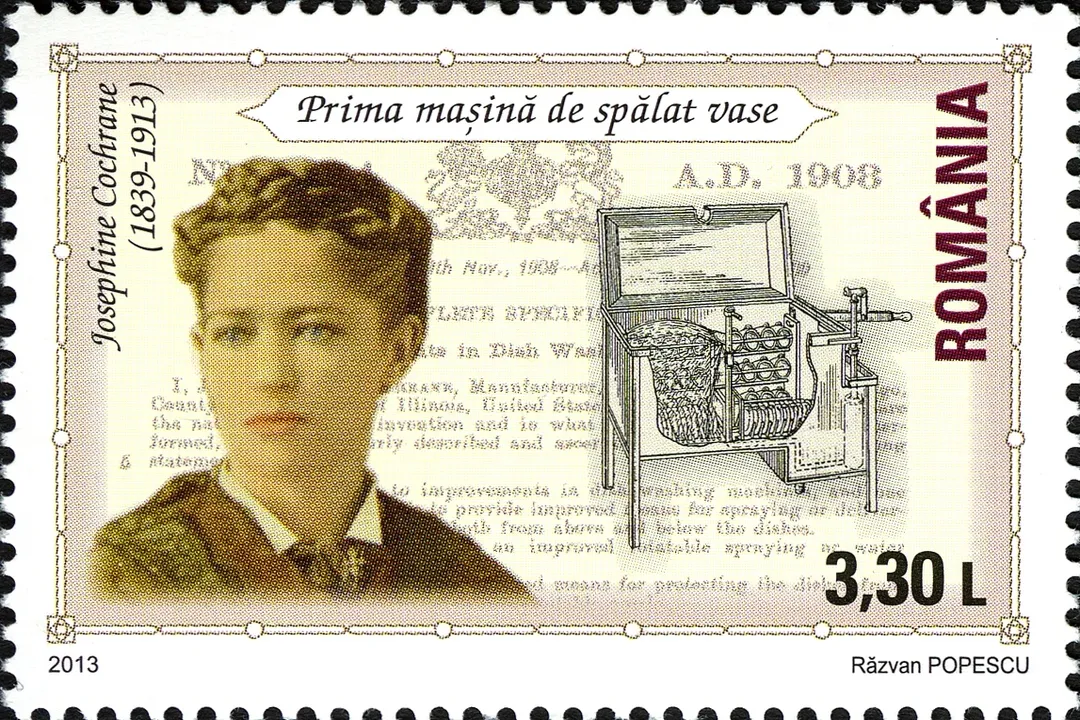
The story of the modern dishwasher is intrinsically linked to the frustration of fine china. When one considers the origins of automated cleaning, it’s easy to imagine a simple mechanical need, but for Josephine Cochrane, the drive was highly personal and centered on preserving delicate, expensive possessions. She was a wealthy hostess in Chicago who loved throwing elegant parties, but she grew increasingly exasperated with the process of cleaning up afterward. Her fine, imported china was frequently damaged by the very people tasked with washing it—her servants. This recurring issue of chipped and broken tableware, a direct financial and aesthetic loss, became the catalyst for invention. This deep-seated need to protect her assets led to the famous declaration, often attributed to her, that if no one else would invent a solution, she certainly would do it herself.
# Patent Confirmation
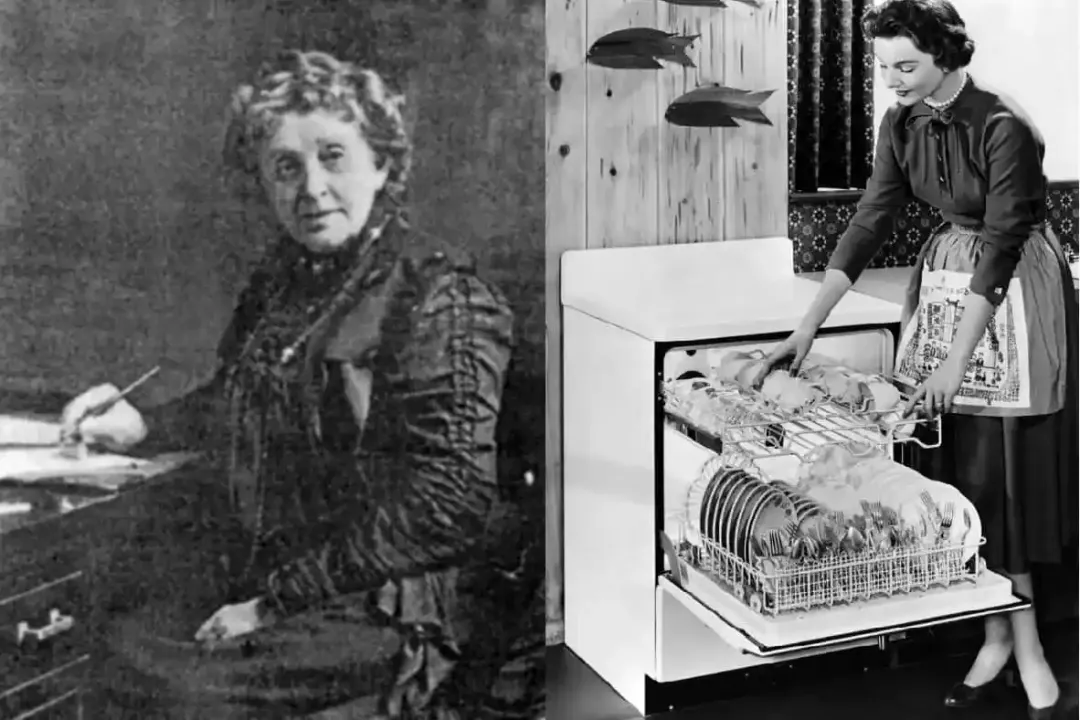
The direct answer to whether Josephine Cochrane received a patent for her dishwasher is an emphatic yes. Her work culminated in securing official recognition for her innovative design, marking a significant step beyond earlier, less successful attempts at mechanical dish cleaning.
Cochrane’s pioneering effort resulted in her first patent being granted in 1886. Specifically, the patent document known as US355139A, titled "Dish-washing Machine," was officially granted on January 5, 1886. This patent covered the system she developed, which addressed the core problem of efficient, non-damaging washing. It is important to note that she was not the very first person to consider the concept; earlier, less functional patents existed, such as one held by Josephine A. Fisher in 1850 and another by Joseph H. Alms in 1863. However, Cochrane's design stands out because it became the first commercially successful automatic dishwasher on the market. Her success proves that the gap between a concept and a viable commercial product often lies in the engineering details covered by the patent claims, rather than the initial idea itself.
# The Machine's Engineering
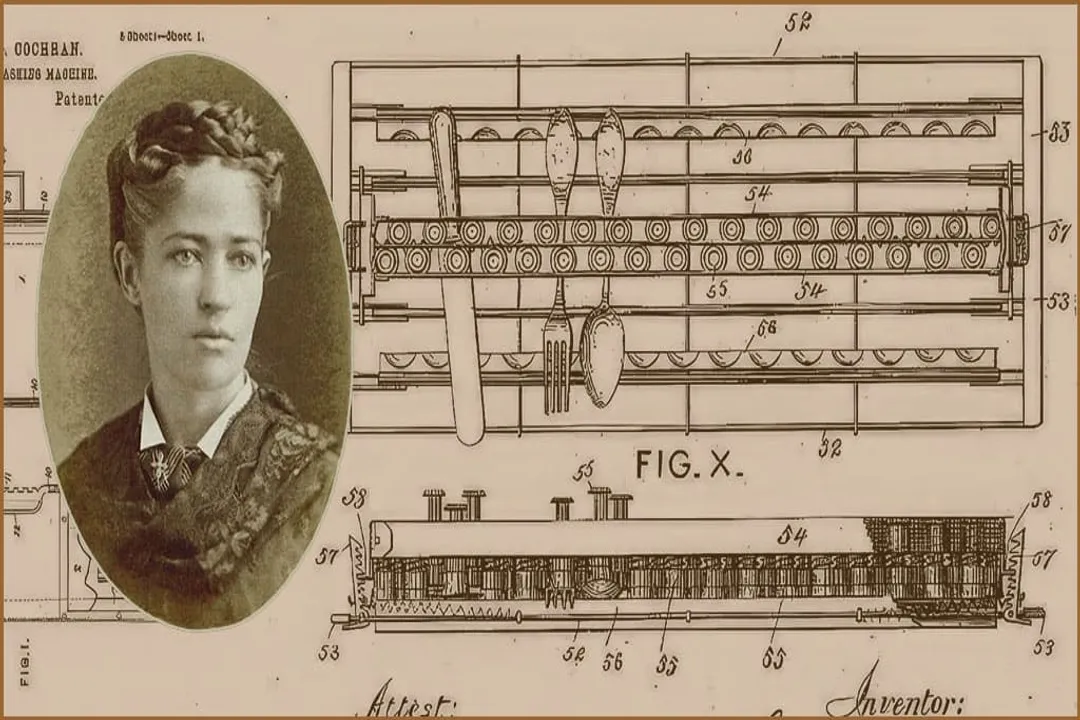
To understand the significance of the 1886 patent, one must look closely at what the design actually accomplished. Cochrane’s machine was not the plastic-and-stainless-steel appliance we recognize today; it was a complex mechanism tailored for the large-scale needs of wealthy households or institutions.
The core of the mechanism revolved around using water pressure to clean rather than abrasive hand scrubbing. The patent description details a structure where plates were positioned vertically within a wire cage. This arrangement ensured that the dishes were held securely, preventing the very chipping she feared. Water, heated in an attached boiler, was sprayed onto the dishes via a series of jets. The water was pumped up and then sprayed onto the dishes from underneath a rotary sprayer. Powering this system required manual effort; the machine was operated using a hand-cranked wheel mechanism. Furthermore, the design employed leverage principles to manage the water flow and pressure effectively. This combination of heated water, directed spray, and secure racking was the engineering breakthrough that separated her invention from its predecessors.
An interesting element of her background, which might surprise modern readers accustomed to thinking of inventors as struggling individuals, is that Cochrane was already an heiress. Her father, John Garis, was involved in manufacturing turbine water wheels, suggesting that an appreciation for mechanical principles and water power may have been present in her early life. This existing financial security and mechanical exposure meant her focus wasn't on subsistence, but on optimizing domestic operations for precision and preservation—a distinctly different driver than necessity. Mechanizing a task previously done by hired labor, rather than automating a personal chore, points to an early recognition of how automation could protect high-value assets held by the upper class.
# Building an Industry
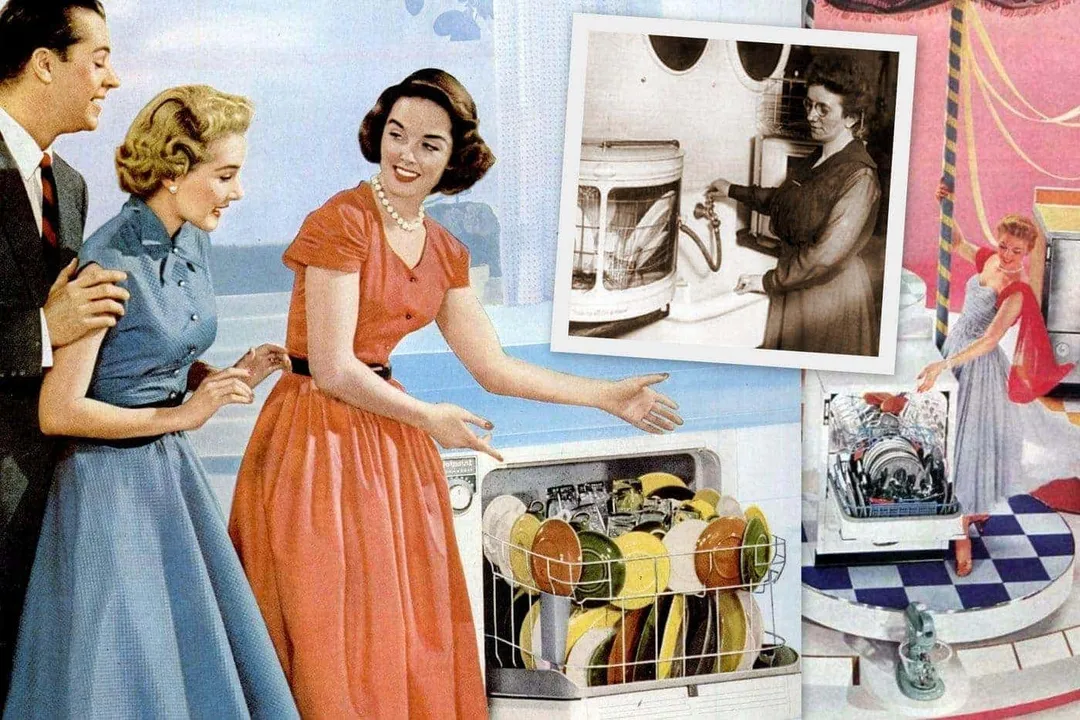
Receiving the patent was only the first step; commercializing a novel kitchen appliance required building an entire industry around it. Cochrane needed to demonstrate that her invention was reliable and efficient enough for businesses, not just private homes.
Her introduction of the machine to the wider world came at the 1893 World’s Columbian Exposition in Chicago. This was a massive stage for showcasing innovation, and Cochrane’s dishwasher stood out, earning her an award for its quality and effectiveness. Winning recognition in such a public forum helped build crucial trust in the new technology.
Following this successful debut, she established the Cochrane Manufacturing Company. The initial clientele was not private homeowners but rather businesses where high-volume, reliable dishwashing was critical: hotels and restaurants. This strategic choice to target commercial clients first allowed her company to perfect the machine under heavy use before attempting the slower consumer adoption curve. By focusing on institutions, she demonstrated the machine’s durability and proven efficiency on a large scale, which is essential for any new capital investment by a business.
Cochrane herself remained actively involved in the company's operations, demonstrating the "I'll do it myself" spirit that defined her initial drive. She managed the company for decades, overseeing its growth and evolution. The culmination of her entrepreneurial effort came later in her life when, in 1913, she sold her company to the Hobart Manufacturing Company. This sale marked the transition of her privately held venture into a larger manufacturing entity, ensuring the continuation and broader distribution of the technology she patented.
# Legacy and Recognition
Josephine Cochrane’s contribution extends far beyond just securing a piece of paper from the patent office in 1886; she is credited with creating the first practical and commercially viable automatic dishwasher. While the machine she patented was far removed from today’s sleek models—it was large, required hand-cranking, and likely consumed significant amounts of water and fuel to heat it—it established the fundamental principles that still govern dishwashing today: water jets, racks to hold items securely, and a system designed to clean without human abrasion.
Her story serves as a powerful illustration of how motivation shapes invention. Had her primary concern been simply washing dishes faster, she might have focused on improving existing scrub brushes or developing a better soap. Instead, her focus on protecting fragile, high-value items led her to conceive of an entirely new mechanical process—a paradigm shift from manual scrubbing to automated spraying. This specific focus on asset protection, rather than just labor reduction, is a subtle but important distinction that likely contributed to the superior engineering required for her successful patent.
Today, Josephine Cochrane is recognized as a pioneering figure in home appliance history. Her induction into the National Inventors Hall of Fame acknowledges the lasting impact of that 1886 patent, which successfully answered a domestic need with industrial-grade mechanical ingenuity. The core technology she championed eventually made its way into nearly every modern kitchen, proving that sometimes the most revolutionary steps forward are taken by those looking not to reinvent the wheel, but to protect their finest sets of dishes from being broken by it.
Related Questions
#Citations
Josephine Cochrane
Josephine Garis Cochran
r/history - The forgotten story of the woman who invented ...
"I'll do it myself" | USPTO
Josephine Cochrane “I'll Do It Myself”
US355139A - Dish-washing machine
Who Invented the Dishwasher?
The forgotten story of the woman who invented ...
Josephine Cochrane - Lemelson-MIT Program