How did people react to the phonograph?
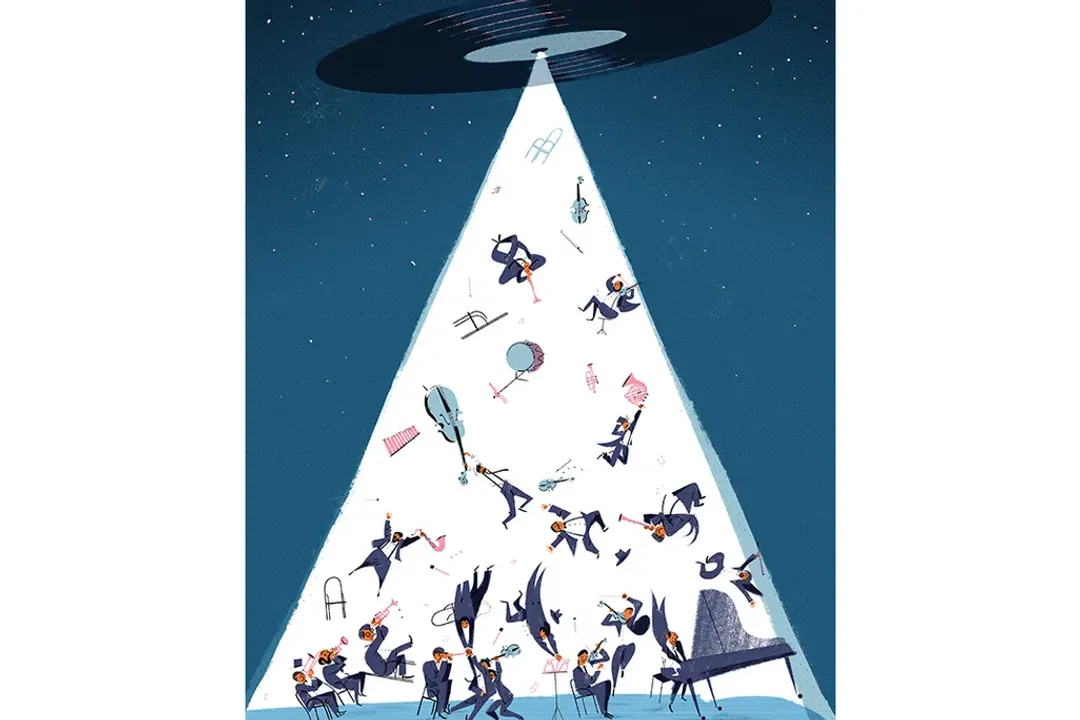
The moment the first sounds were captured and played back through Thomas Edison’s phonograph, the world of human experience fractured. It wasn't just a new machine; it was a demonstration of impossible reality. People did not just hear sound reproduced; they witnessed the mechanical capturing of something ephemeral, leading to reactions ranging from sheer awe to profound personal discomfort.
The initial public reaction centered on the spectacle itself. Demonstrations of the device were major events, drawing crowds eager to witness the mechanical marvel firsthand. The very act of recording and then instantly replaying a voice or a piece of music was considered an astonishing trick of science, creating a sense of wonder that overshadowed the actual content being played back for many early observers. This was a novel experience; sound had always been transient, disappearing the moment it was spoken or played. Now, it seemed, a piece of that moment could be physically contained on a rotating cylinder.
# First Sounds
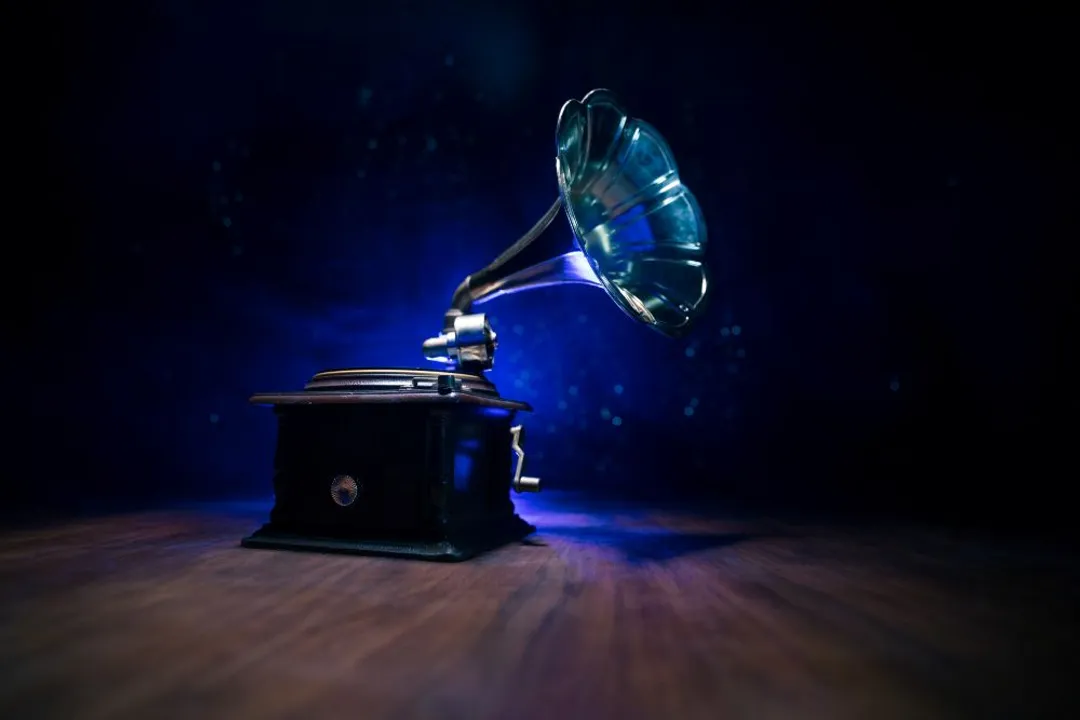
When the public encountered early phonographs, their reaction often involved comparing the recorded sound to what they expected. It was a device built around novelty, so the initial assessment was focused on can it record, rather than how well it records. The mechanical aspect—the horn, the needle, the turning mechanism—added to the sense that this was a complex, almost magical operation. For many, the fact that speech could be made tangible, that sound waves could be etched onto wax and then given breath again, felt like crossing a boundary between the natural world and the mechanical. This initial awe provided the foundation for the machine’s eventual widespread acceptance, though that acceptance wasn't immediate or simple.
# Self Echo
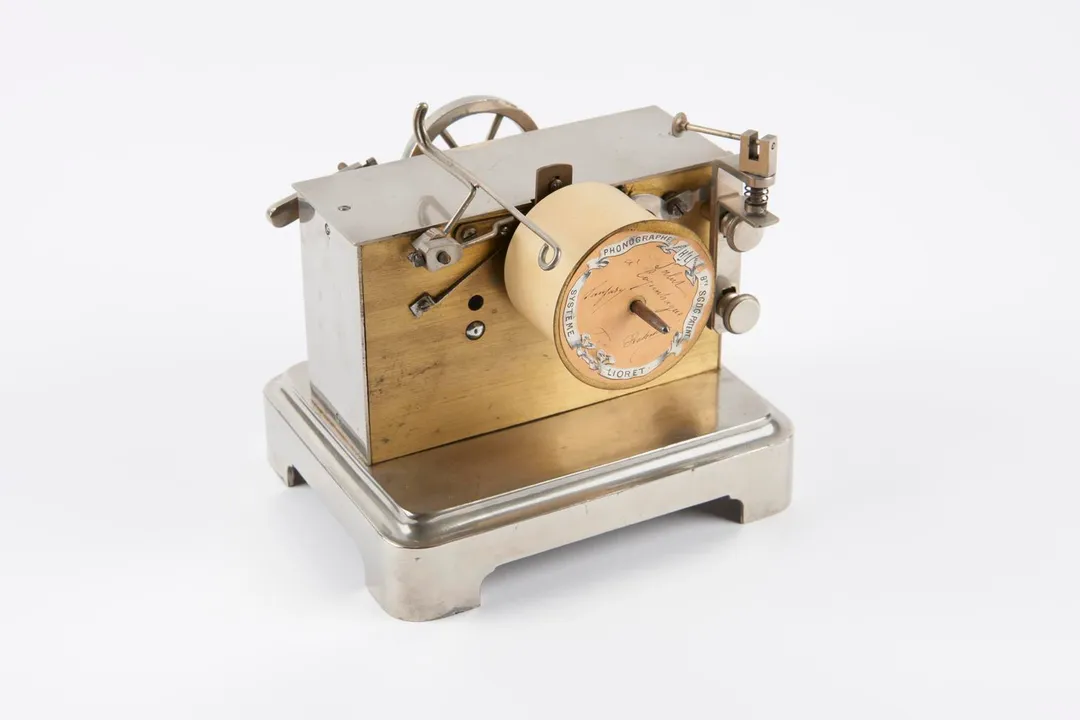
Perhaps the most intimate and jarring reaction came when people heard their own voices played back to them. This experience was frequently described as shocking or deeply disorienting. Think about how we hear our voice naturally—it travels through bone conduction within our skulls, altering the pitch and quality we perceive. When one heard the recording, they heard themselves as others heard them, an external auditory judgment that few people were prepared for.
One common report was the feeling that the voice on the cylinder belonged to a stranger entirely. People sometimes insisted the recording was someone else's voice, or perhaps an echo, because the sound lacked the familiar internal coloration they were used to. This moment of self-confrontation was often unsettling; some found the recorded pitch too high or the tone unpleasant, leading to an immediate, visceral rejection of their own vocal representation. While today we are accustomed to hearing ourselves via video calls or voice memos—experiences that have somewhat normalized the external vocal identity—the 19th-century listener experienced this realization starkly, without any preceding cultural conditioning. It represented a sudden, undeniable objectification of one's personal sound signature.

# Private Music
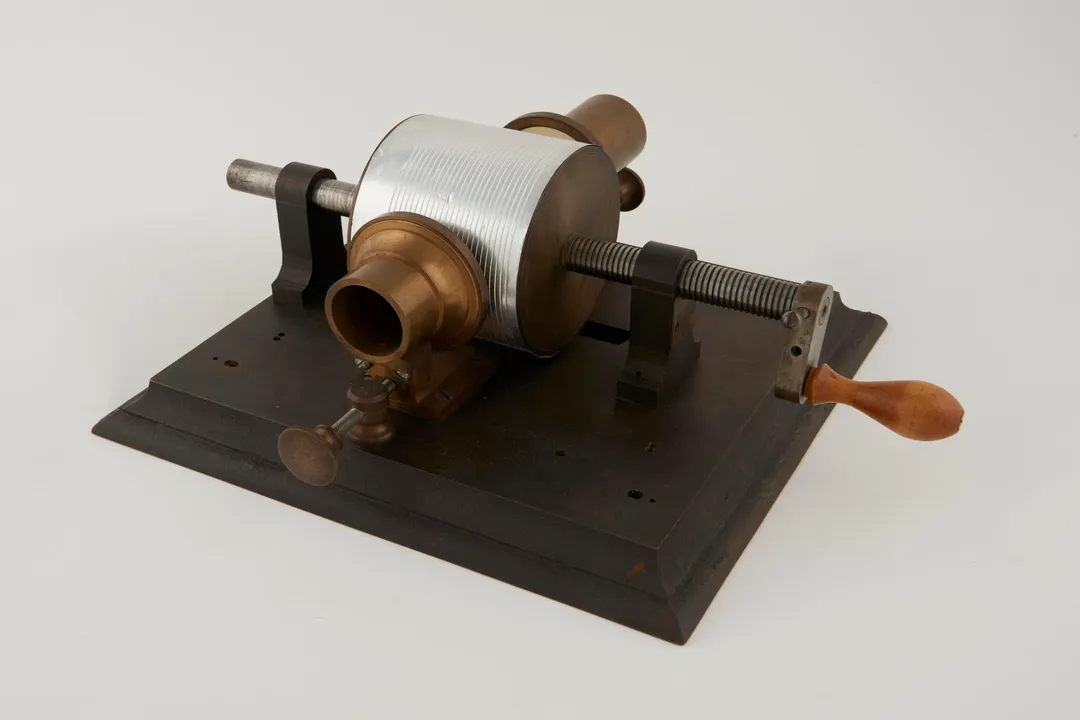
Once the initial shock of the novelty and the personal revelation of the voice subsided, the phonograph began to reshape cultural habits, particularly concerning music. Before this invention, consuming music usually required either being a musician or attending a live performance. Music was an event, shared in real-time in a specific location.
The phonograph changed that equation entirely, moving the performance into the home and making it reproducible on demand. This shift democratized musical access. Suddenly, a family didn't need to hire an orchestra or rely on parlor musicians to hear a popular tune; they could simply replay a cylinder. This transition from ephemeral experience to repeatable artifact fundamentally altered the relationship people had with art. The music was no longer passing; it was possessed.
This access had social implications, too. Where once a public musical performance might have been a community gathering, the phonograph allowed for individualized listening experiences, planting the seed for solitary consumption of mass media that defines much of modern entertainment. In a historical context, this represented a quiet but significant reallocation of cultural power from the performer and the venue owner to the owner of the machine and the record.
# History Held
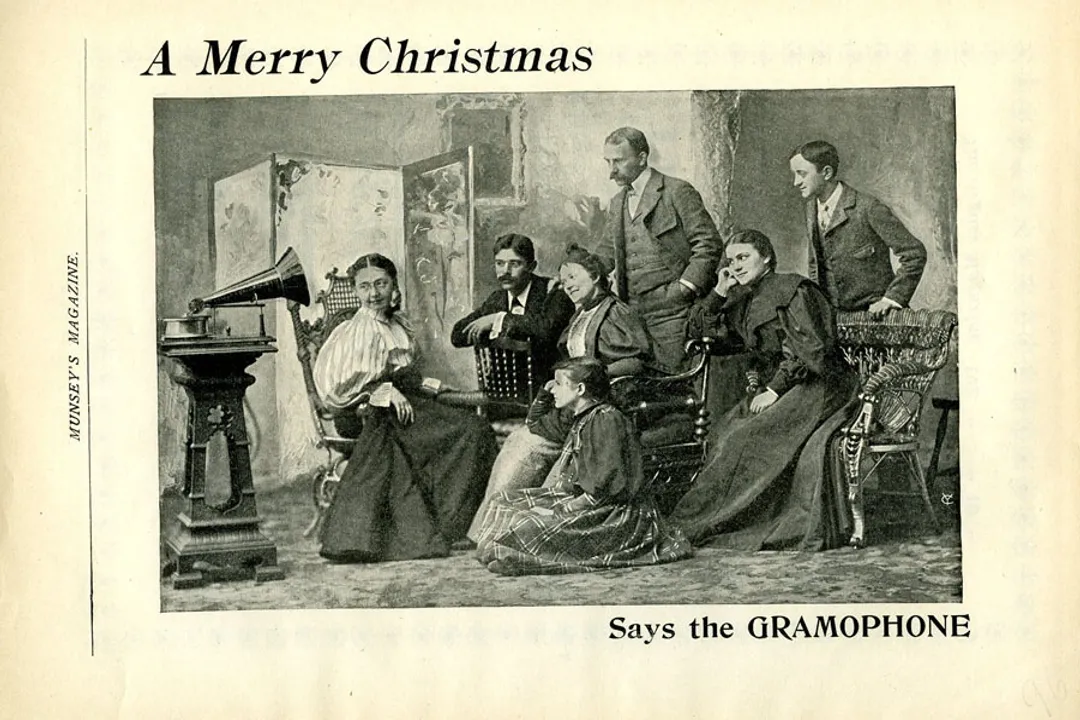
Beyond music and personal chatter, the phonograph introduced a far more abstract, yet compelling, reaction: the ability to eavesdrop on history itself. This realization tapped into a deep human desire to preserve the past in tangible form. Hearing the actual voice of someone long dead, or the exact soundscape of a bygone event, offered a form of temporal tourism previously confined to written records and memory, which are inherently subjective and prone to decay.
It is interesting to consider the physical form of these early recordings. Unlike the invisible, abstract data files of today, the earliest recordings were embodied in physical cylinders or discs. This physicality likely enhanced the audience's trust and sense of connection; the sound was literally emanating from an object that had captured the event. This tangible connection may have made the concept of preserved history feel more concrete and believable to the early user than purely digital formats often do to modern consumers, who are used to sound existing as pure information on a server somewhere. The machine provided proof that the past could be excavated, not just recalled.
The speed with which this device moved from laboratory curiosity to cultural disrupter was remarkable. While many initial reactions were tied to the sheer impossibility of the mechanism—the magic trick—the longer-term impact stemmed from its ability to replicate the most personal aspect of human interaction: the voice, and the most communal: music. The phonograph didn't just record sound; it rewired social expectations around presence, memory, and performance, setting the stage for every subsequent audio recording technology that followed.
#Videos
The Edison Cylinder Phonograph: How Audio Recording ... - YouTube
Related Questions
#Citations
How did people react to hearing their own voice when the ... - Reddit
How the Phonograph Changed Music Forever
HOW THE PHONOGRAPH SHAPED OUR WORLD - Medium
The Edison Cylinder Phonograph: How Audio Recording ... - YouTube
Demonstrating the Phonograph - Phonographia
History of the Cylinder Phonograph | Articles and Essays
The Record Effect | The New Yorker
Eavesdropping on history: listening to our collection
The Invention Of The Phonograph: From Early Recordings To ...