Who is Massimo Banzi?
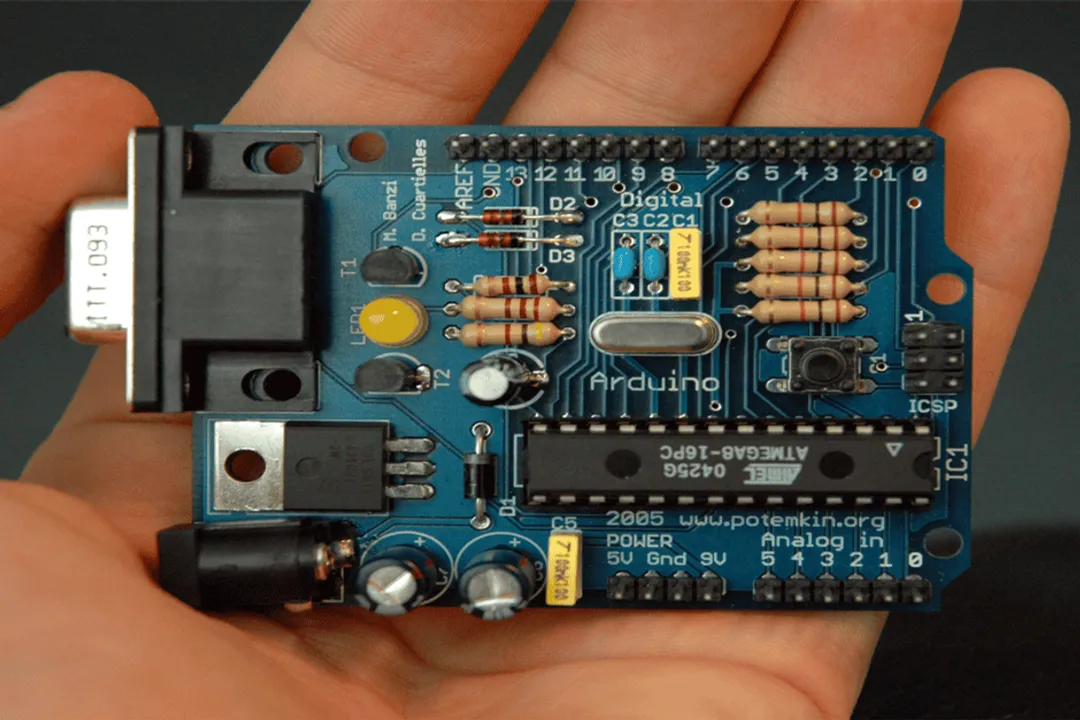
Massimo Banzi is one of the most recognizable names associated with the democratization of electronics, largely due to his role as a co-founder of Arduino. He stands as a key figure whose work fundamentally altered the landscape for hobbyists, artists, designers, and educators looking to prototype and build interactive electronic projects. [2] His background, rooted firmly in design rather than traditional electrical engineering, is central to understanding the accessible nature of the platforms he helped create. [6]
# Design Foundation
Banzi’s professional trajectory began in the world of design education. He has been associated with the Faculty of Design at the University of the Republic of San Marino. [6] This academic grounding is significant because it suggests an early focus on user experience and rapid iteration—concepts paramount in the design process—which later became hallmarks of Arduino. [3] Before the widespread adoption of open-source physical computing, microcontrollers were often complex, intimidating tools locked behind steep learning curves intended primarily for professional engineers. [3] Banzi’s entry point was different; he was looking for tools that his design students could pick up quickly to bring their interactive concepts to life. [3]
His association with technology and making has been long-standing. For instance, there is a marker in his professional timeline noting an important event, perhaps a foundational step in his career, exactly twenty years prior to a specific date in 2024. [7] This shows a sustained commitment to the field over decades, predating Arduino's global explosion.
# Arduino Genesis
The story of Arduino is perhaps the most defining aspect of Banzi’s public identity. It was born from a clear, practical need within an educational setting. At the Interaction Design Institute Ivrea (IDII) in Italy, the existing tools for rapid prototyping were either too expensive or too difficult for students without deep coding or electrical engineering expertise. [3] Banzi, alongside other key figures like David Cuartielles, Gianluca Martino, and David Mellis, sought a simple, open, and inexpensive solution. [3]
The core idea was revolutionary in its simplicity: create a low-cost hardware board that was easy to program using a simplified version of C++, accessible via a user-friendly Integrated Development Environment (IDE). [2] The initial inspiration for the system, Banzi has noted, involved creating something that felt almost like a toy—something that encouraged experimentation rather than demanding perfection from the outset. [3] This approach lowered the barrier to entry dramatically. Instead of purchasing costly proprietary hardware, students and makers could now work with an accessible, open platform that allowed for immediate feedback and iteration. [2][3]
The term Arduino itself is often noted as coming from a local bar in Ivrea where the founders used to meet. [3] This small, almost anecdotal detail speaks volumes about the grassroots, community-focused origins of what became a global standard.
# Open Hardware Ethos
What truly separated Arduino from proprietary micro-controller boards was the steadfast commitment to open source principles, extending beyond just the software to the hardware design itself. [2] Banzi and the team made the schematics, bill of materials, and IDE source code freely available. [2]
This decision was crucial for its widespread adoption and longevity. By making the design open, they allowed anyone to manufacture, modify, and improve the board. This decentralized production led to lower costs and greater availability across the world. [2] It also meant that the platform evolved not just through the efforts of the original creators, but through contributions from thousands of developers and hardware hackers globally.
If we consider the market dynamics of hardware development, this open approach is quite counter-intuitive for commercial success. Usually, proprietary hardware locks users into an ecosystem. Banzi’s advocacy for openness represents a belief that the value lies not in selling individual circuit boards, but in building a platform and a community around shared standards. [2] This philosophy contrasts sharply with traditional hardware manufacturers who prioritize control over intellectual property.
Editor's Commentary on Ecosystem Growth: The true genius of the open-source hardware model, as championed by Banzi, wasn't just the initial free design; it was the long-term maintenance of that openness. For an embedded system that requires library updates, operating system compatibility, and community support, maintaining a neutral, open standard for two decades requires exceptional dedication. This sustained neutrality is what has kept industrial and educational users confident in adopting it, as they are not beholden to the future business decisions of a single corporation. [2]
# Influence and Reach
Massimo Banzi’s influence is not confined to the hobbyist workbench. His commitment to accessible technology has positioned him as an authority in broader tech discourse. He is a recognized speaker who shares insights on technology, design, and the future of making. [9] His presence on the global stage, including profiles highlighting his involvement with organizations like the GSMA, suggests his principles have relevance in larger industrial contexts, such as Smart Mobility. [8]
When a figure celebrated for grassroots creation gains traction in high-level forums like the GSMA (which deals with mobile operators and large-scale connectivity solutions), it signals that the lessons learned from accessible hardware—modularity, simplicity, and fast prototyping—are being integrated into major technological shifts. [8]
His published work also confirms his expertise, having contributed to O'Reilly media publications, indicating his recognized authority in technical and creative fields. [4] This combination of practical engineering experience, design sensibility, and academic background provides a unique lens through which he views technological development. [4][6]
# The Maker Movement
Banzi is inherently linked to the Maker Movement, a modern resurgence of the maker culture that values hands-on creation, customization, and technological literacy. [2] Arduino served as one of the primary catalysts for this movement by providing the foundational toolset. Before Arduino, an individual interested in building a sensor array or an interactive art installation might have needed advanced skills in assembly language or complex, expensive development kits. Arduino made it achievable for a high school student or a graphic designer to connect code to the physical world. [3]
The platform itself democratized the entire process, from conceptualization to final product assembly. This shift from consumption to creation is the core cultural impact Banzi helped engineer. While the technology is simple—a microcontroller board—the cultural shift it enabled is profound, encouraging digital fluency across non-traditional tech demographics. [2]
Iteration Speed: One subtle but powerful effect stemming from Banzi’s design-first approach is the vastly accelerated iteration speed for non-engineers. A traditional engineering project might spend weeks setting up cross-compilers and development environments. With Arduino, a designer can go from an idea to a blinking LED prototype in under an hour, often just using a laptop and the board itself. This rapid feedback loop, directly catering to design thinking methodologies, is arguably a greater contribution than the hardware’s component cost savings.
# Current Role and Future Outlook
As a co-founder, Banzi continues to be an advocate and leader in the space. His continued activity through professional platforms and speaking engagements confirms his ongoing commitment to promoting open hardware and innovation. [1][9] While the initial explosive growth phase of Arduino may have settled, the focus shifts toward how the platform integrates into the next generation of connected devices and educational curricula worldwide. [2]
Banzi’s personal website serves as a hub for his current activities, often reflecting on projects and the broader philosophy driving his work. [1] His consistent presence in the conversation about technology’s role in society—from small-scale art to large-scale mobility solutions—validates the initial decision to create an open, user-centric tool. [8] He remains a figure representing the intersection where technology meets accessibility, driven by a vision that making things should be an intuitive, enjoyable, and shared endeavor. [3] The legacy is not just the board itself, but the global community that learned to build with it. [2]
#Videos
The Pi Cast (7/18): Arduino Co-Founder Massimo Banzi - YouTube
Related Questions
#Citations
Massimo Banzi | personal website
Massimo Banzi - CHM - Computer History Museum
Massimo Banzi: how a toy led to Arduino and a life of making
Massimo Banzi - O'Reilly
The Pi Cast (7/18): Arduino Co-Founder Massimo Banzi - YouTube
Massimo Banzi | UNIRSM Design
Today exactly 20 years ago the founders of Arduino came up with ...
Massimo Banzi - Smart Mobility - GSMA
Massimo Banzi Keynote Speaker Bio