What problem did the airplane solve?
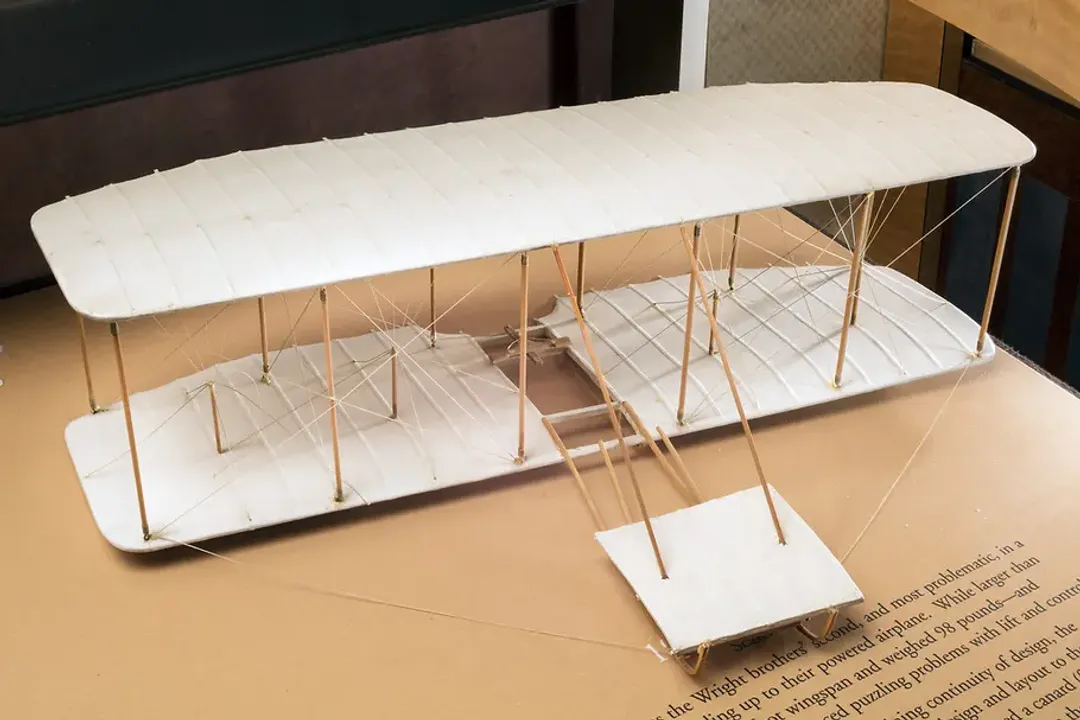
The dream of human flight predates recorded history, a persistent desire to slip the bonds of gravity and soar like a bird. For centuries, inventors and dreamers across the globe chased this aspiration. However, the true, fundamental problem that stumped the majority of these brilliant minds was not simply achieving lift or propulsion in a heavier-than-air machine; it was solving the intricate puzzle of sustained, controlled maneuvering. Many attempted to build powerful engines, believing brute force would overcome the air's resistance, but these machines invariably tumbled from the sky because their operators had no effective way to pilot them once airborne.
This challenge represented a profound gap in aeronautical understanding. While achieving sufficient power to lift the machine off the ground was difficult, maintaining stability and responding to shifting air currents—the very definition of flight—was the bottleneck that kept flight purely in the realm of theory or brief, uncontrolled hops. The Wright brothers, Wilbur and Orville, recognized that mastering the air required more than just a bigger engine; it demanded a comprehensive piloting system, mimicking the sophisticated balance mechanics found in nature.
# Flight Challenge
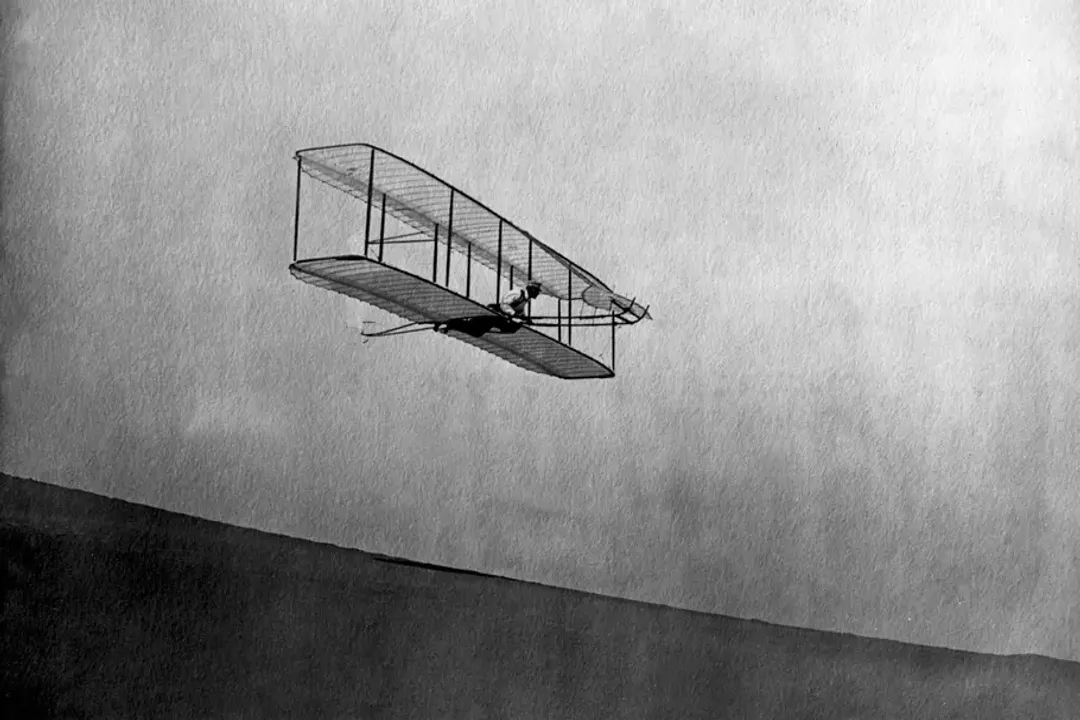
Before the Wright brothers’ success on December 17, 1903, at Kitty Hawk, North Carolina, aviation history was littered with notable failures, even among those who were technically competent engineers. Pioneers like Otto Lilienthal, for instance, made crucial contributions by focusing on gliding, proving that humans could glide through the air. His dedication, however, ended tragically when he lacked a mechanism to recover from a stall, ultimately leading to his death in a crash in 1896. Other ambitious attempts, such as those by Samuel Langley, the accomplished Secretary of the Smithsonian Institution, had access to substantial funding and powerful steam engines, yet their machine, the Aerodrome, famously failed to fly, crashing into the Potomac River shortly before the Wrights' success.
The common thread among these setbacks was the misallocation of engineering focus. Many early attempts heavily prioritized the propulsion element—designing powerful engines and large lifting surfaces—assuming that once the machine had enough thrust, control would naturally follow or be managed through instinct. This assumption proved fatal. As one observer noted, these earlier efforts were akin to building a powerful locomotive without brakes or a steering wheel. The air is a fluid medium, constantly in motion, requiring constant, precise adjustments to remain aloft safely, a dynamic requirement that static designs could not meet. The problem, therefore, was not just getting off the ground, but staying off the ground under command.
# Control Essential
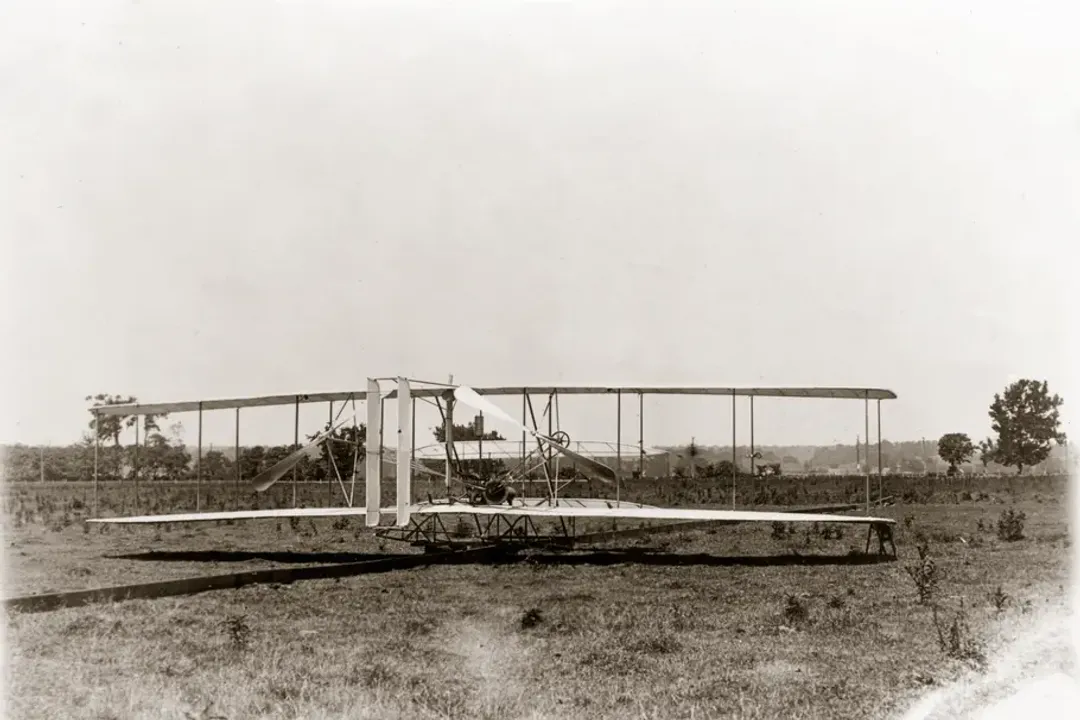
The crucial distinction between the Wrights' work and that of their predecessors was their absolute commitment to solving the control problem before finalizing their engine or power system. They understood that a pilot needed to manage the aircraft along three distinct axes of motion, which is the foundation of modern aeronautics.
These three axes are:
- Roll (Lateral Control): The ability to bank or turn by raising one wingtip while lowering the other.
- Pitch (Longitudinal Control): The ability to point the nose up or down, managed by the elevators.
- Yaw (Directional Control): The ability to steer the nose left or right, controlled by the rudder.
The Wright brothers devised an ingenious mechanical solution for the first axis, roll, which they termed wing warping. This involved twisting the ends of the wings in opposite directions—one wingtip would twist up, increasing lift on that side, while the other twisted down, decreasing lift—causing the aircraft to bank correctly. This system, in conjunction with a movable rudder for yaw correction and an elevator for pitch control, provided the pilot with the three-axis control they needed to actively fly the machine rather than simply ride its trajectory. Their very first successful flight on December 17, 1903, proved this concept, lasting 12 seconds and covering 120 feet, a controlled, albeit brief, demonstration of true aerial navigation.
It is a testament to their engineering insight that the basic principles they established—using movable control surfaces for roll, pitch, and yaw—remain the fundamental basis for how nearly every fixed-wing aircraft is controlled even today, despite the transition from wing warping to ailerons. This pivot from power-centric design to control-centric design is perhaps the single greatest conceptual leap that the Wright brothers introduced to the world of heavier-than-air flight.
# Systematic Study
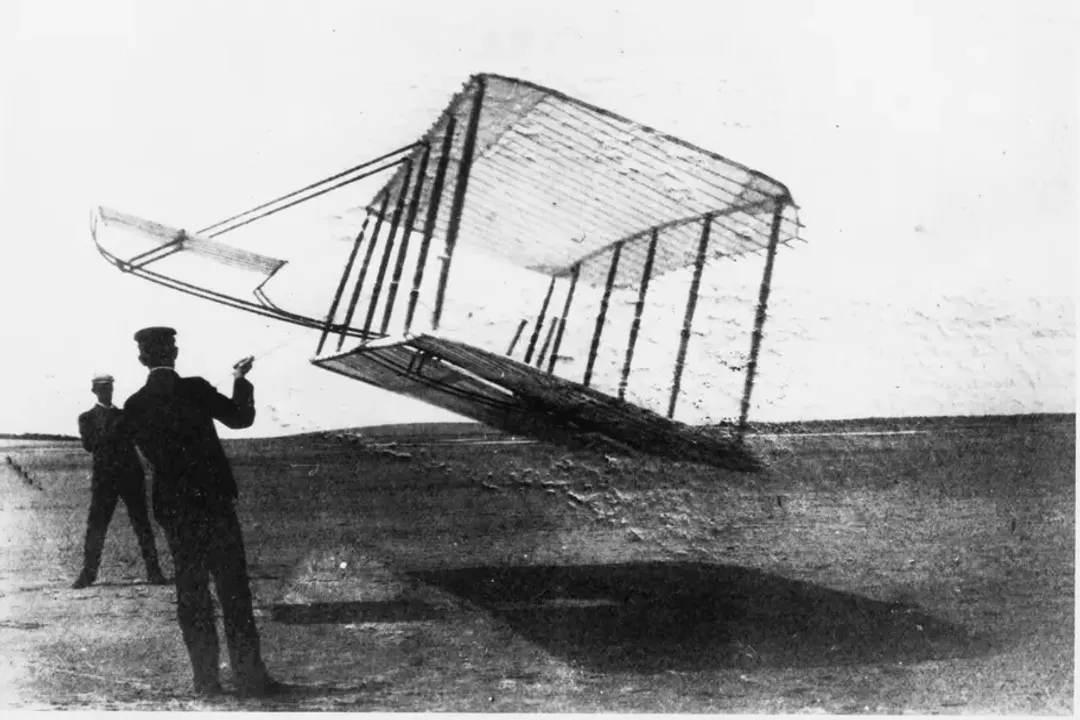
The success was not accidental; it was the direct result of a painstaking, scientific, and iterative process that separated them from those who simply built based on hopeful guesswork. After realizing that existing aerodynamic data was unreliable—often based on flawed assumptions—the Wrights dedicated themselves to meticulous experimentation. They built their own wind tunnel in Dayton, Ohio, a relatively small but effective apparatus, to test various wing shapes and surface angles (angles of attack).
This hands-on, data-driven approach allowed them to generate their own reliable tables of lift and drag coefficients. They tested various wing shapes, including cambered surfaces, to refine how much lift could be generated for a given amount of drag. This methodical study informed every aspect of their glider designs, which served as the essential testing platforms for their control theories.
Consider the path: they moved from kites to full-sized gliders, carefully logging every flight, testing control inputs, and diagnosing failures in the air through observation rather than just relying on ground-based measurements. The 1901 and 1902 gliders were not just machines; they were flying laboratories designed specifically to validate their control hypothesis before committing to the more complex task of building a reliable engine and propeller system.
If we map the common approach versus the Wrights' approach, a clear divergence in problem-solving becomes apparent:
| Design Focus | Common Pre-1903 Approach | Wright Brothers' Approach |
|---|---|---|
| Primary Goal | Achieve significant lift and thrust. | Achieve stable, three-axis control. |
| Testing Method | Static testing; limited gliding. | Extensive, instrumented gliding tests. |
| Core Assumption | Power solves complexity. | Control must be actively managed. |
| Result | Uncontrolled crashes or hops. | Sustained, maneuverable flight. |
This methodical commitment to empirical data acquisition meant that when they finally mounted their custom-built engine and propellers onto the 1903 Wright Flyer, they were not guessing about the required wing area or control response; they were implementing solutions derived from hundreds of hours of prior, successful gliding experience. This commitment to building a complete system—aerodynamics, control, and propulsion integrated—is what truly set them apart from those who mastered only one or two of the necessary components.
# New Mobility
Once the fundamental problem of controlled flight was solved, the airplane became a machine capable of solving an entirely new set of global problems related to distance, time, and isolation. While the first flight was only 120 feet, the principle unlocked exponential possibility, effectively shrinking the world.
Initially, the airplane solved the problem of distance in transit. Before flight, moving across continents or oceans involved weeks or months on ships or trains, fraught with logistical difficulty and exposure to risk. The airplane promised to cut travel time drastically. Even in its rudimentary early form, it offered a speed advantage over any existing ground transportation method, provided the distance was significant enough to outweigh the turnaround time and maintenance needs of the primitive aircraft.
Furthermore, the airplane solved an emerging problem in military reconnaissance and logistics. While early military use was cautious, the aerial perspective offered an unparalleled vantage point for observing enemy positions, overcoming the tactical disadvantage of being confined to ground-level intelligence gathering. This marked the beginning of aerial surveillance, a capability previously unimaginable.
Perhaps the most profound, albeit slower-developing, solution was the addressing of geographical isolation. For communities separated by impassable terrain—high mountain ranges, dense jungles, or vast, water-filled expanses—the airplane offered a direct line of communication and transport where none could exist before. It bypassed physical barriers that had historically defined political boundaries and economic viability for centuries. The ability to deliver emergency aid, vital personnel, or critical components quickly into otherwise inaccessible regions is a powerful, humanitarian problem solved by the mastery of the air. This ability to treat geography less as an obstacle and more as a navigational layer fundamentally altered human potential for global interconnection. The speed of commerce and personal connection accelerated because the constraints of surface travel were finally circumvented by a machine that moved through the medium above.
# Technological Evolution
The initial problem solved—achieving controlled, sustained, heavier-than-air flight—was foundational, but it immediately spawned the next set of engineering challenges that subsequent generations addressed. The Wrights’ solution was inherently limited; their early aircraft were slow, had short endurance, and required significant human physical effort to manage the control surfaces.
The next problem to solve involved endurance and reliability. The early machines were fragile and flight times were minimal, often requiring custom maintenance after every brief outing. Subsequent innovators focused on replacing the Wrights' pioneering wing-warping with hinged, independently moving ailerons, which offered much finer and less physically demanding roll control, making long-distance navigation more feasible. Similarly, the development of lighter, more powerful internal combustion engines was crucial to increasing range and payload capacity.
In essence, the airplane solved the problem of possibility—proving that human-powered flight in a fixed-wing machine was achievable. In doing so, it immediately created the subsequent problems of practicality—how to make it faster, safer, cheaper, and capable of carrying more people or cargo over greater distances. The initial breakthrough was unlocking the door; the subsequent evolution was building the highway system through the sky. The initial solution was intellectual and mechanical proof; the later solutions were industrial and logistical refinements to make that proof a global reality.
#Videos
How the Wright Brothers Solved the Problem of Flight - - YouTube
Related Questions
#Citations
The Wright Brothers | National Air and Space Museum
Wright brothers - Wikipedia
The Airplane by on Prezi
What problem did the Wright brothers solve that had stumped others ...
Wright Brothers Aircraft - Glenn Research Center - NASA
How the Wright Brothers Solved the Problem of Flight - - YouTube
Is the true inventor of the airplane actually known? : r/AskHistory
History of flight | Airplanes, Dates, & Facts - Britannica
The Road to the First Flight - Wright Brothers National Memorial ...