What challenges did Margaret Knight face?
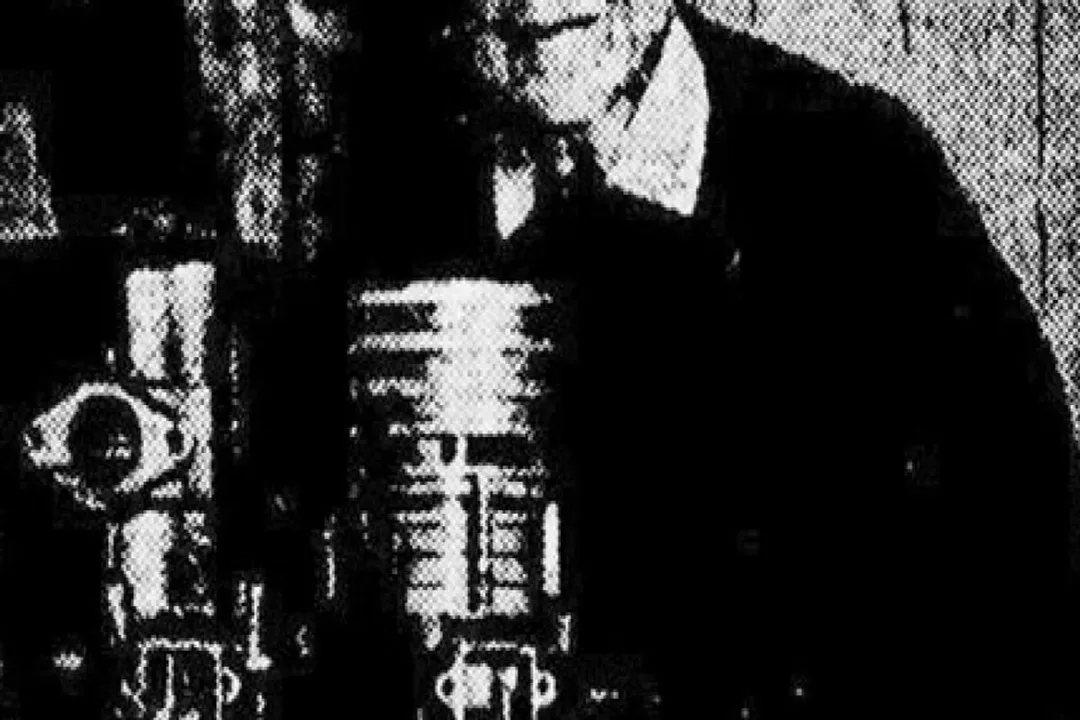
Margaret E. Knight, a figure often celebrated as one of the most prolific inventors of the 19th century, faced a barrage of challenges that went far beyond the technical hurdles of engineering new devices. In an era where invention was predominantly a male domain, her very presence in the patent office and the machine shop represented a fundamental friction against societal norms. Her struggles weren't just about inventing a better mousetrap or a faster loom; they were about securing recognition, defending intellectual property, and simply being taken seriously in a marketplace and legal system designed by and for men.
# Gender Context
The environment in which Knight operated placed immediate, invisible obstacles in her path. Securing capital, finding skilled machinists willing to take instructions from a woman, and gaining credibility with potential investors or manufacturers required exceptional personal fortitude. While we know she began inventing at a young age, reportedly designing a safety device for looms after witnessing a fatal accident, the road from a conceptual design in her mind to a working, patented reality was structurally harder for her than it would have been for a male contemporary.
The societal expectation was clear: women belonged in the domestic sphere, not commanding workshops or arguing legal cases over mechanical drawings. This context meant that every success she achieved—every patent filed, every machine built—was achieved against the backdrop of systemic resistance, requiring her to prove not only the worth of her invention but also her own right to be an inventor. She received numerous patents, accumulating dozens throughout her life, demonstrating consistent mechanical skill, yet much of her early and ongoing work likely suffered from obscurity precisely because the gatekeepers of industry were predisposed to overlook female contribution.
This lack of initial institutional trust perhaps necessitated the extreme detail and self-protection she employed in her later work. It is interesting to consider that an inventor as demonstrably skilled as Knight, one who produced practical solutions across diverse fields, was still forced to fight for basic acknowledgement. Her prolific output suggests that, once the initial barrier of acceptance was overcome for a specific project, she could command the necessary resources, but the initial friction point for every new invention must have been exhausting.
# Patent Theft
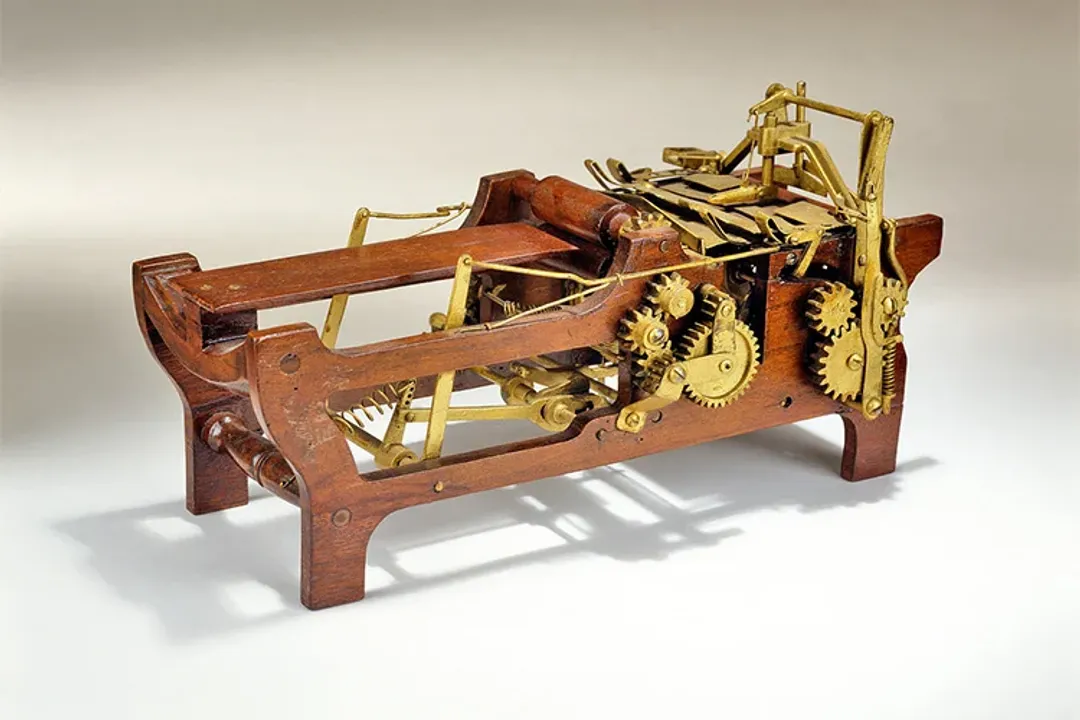
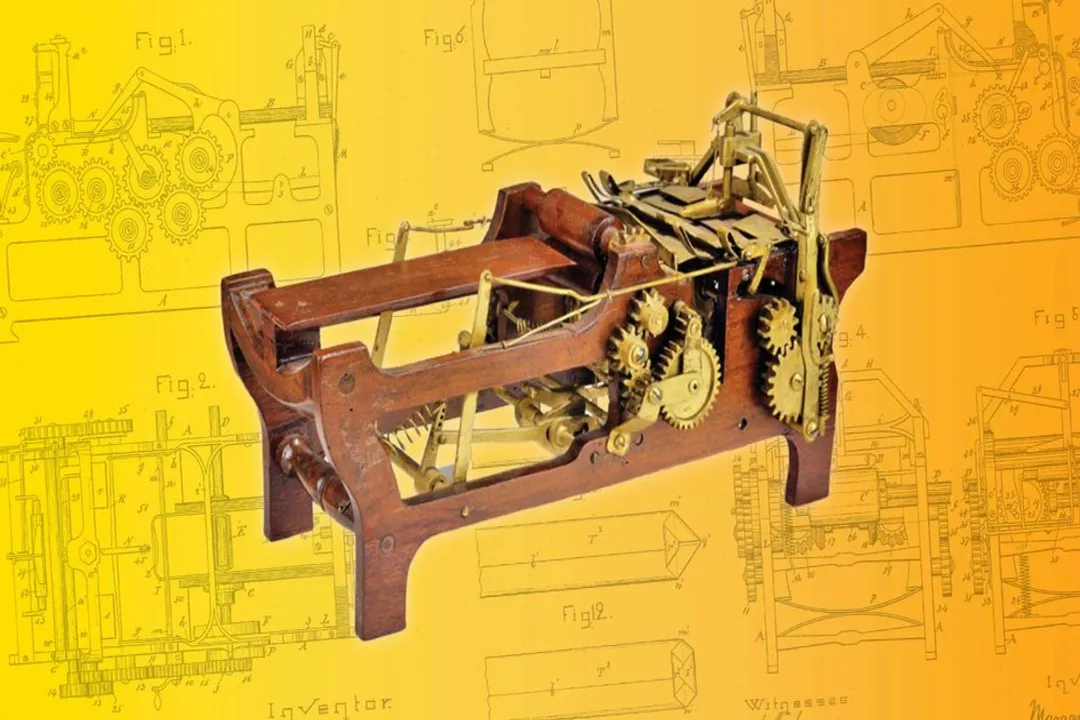
The most famous example of the challenges Knight faced was the protracted battle over her invention for making square-bottom paper bags. While early paper bags were merely folded envelopes, Knight conceived of a machine that could fold, cut, and paste a piece of paper into the sturdy, flat-bottomed grocery bag we recognize today—a seemingly simple improvement with massive commercial implications. The design itself was complex, requiring intricate mechanisms to handle the paper stock correctly.
The real trial began when she sought to protect this creation. She secured a patent for the machine in 1871. However, a man named Luther C. Crowell applied for a patent on a similar device shortly after her provisional filing, managing to secure his own patent first, presumably by exploiting the existing ambiguity or delay in the patent office process.
Knight was forced to enter into patent litigation to defend her rights to the technology. This legal fight was not just a technical dispute; it was a high-stakes confrontation where she had to prove prior conception and execution against an established male competitor exploiting the system's flaws. Defending a patent was expensive, time-consuming, and distracting for an active inventor. She ultimately won the case, but the necessity of this fight highlights the vulnerability inherent in being a woman inventor: even when you succeed in creating something revolutionary, your claim could be contested and potentially lost due to administrative timelines or the simple audacity of a male challenger. Successfully navigating this litigation serves as a testament not only to the originality of her design but to her tenacity in dealing with the legal and bureaucratic elements of invention.
# Business Hurdles
Beyond the courtroom, the challenge of commercializing her inventions constantly loomed. An invention is only as valuable as its ability to be manufactured and sold profitably. For Knight, demonstrating the commercial viability of her patents often meant overcoming the skepticism associated with female entrepreneurship.
Her paper bag machine, once legally secured, became a commercial success, leading to the formation of the U.S. Paper Bag Company. However, this success story relies on the assumption that she found reliable, trustworthy partners to handle the manufacturing and scaling—a difficult task without inherent industry connections or the social standing granted to male industrialists of the time. Her ability to transition from inventor to businesswoman in a heavily male-dominated commercial arena suggests yet another layer of difficulty she managed to surmount.
Consider the sheer variety of her work. She wasn't focused on just one area; her interests spanned from machinery for boots and shoes to improvements in refrigeration, and of course, the famous bag machinery. Each new category of invention meant re-establishing credibility in a new technical field. This is in sharp contrast to many male inventors who often specialized, perhaps benefiting from a clearer professional identity within the established scientific societies of the day. Knight had to constantly build a reputation anew for each mechanical domain she entered.
# Lasting Recognition
The ultimate challenge for many historical figures, particularly women, is how they are remembered. While Knight is rightly acknowledged as a major inventor, the narrative often centers disproportionately on the paper bag patent fight. This focus, while highlighting her perseverance, risks overshadowing the vast scope of her mechanical aptitude demonstrated across decades of patent awards.
It requires an analytical eye to appreciate that the ability to design a complex, multi-stage mechanical process for folding paper bags and to apply similar inventive principles to textile machinery, metalworking, and various household goods speaks to a rare and broad mechanical genius. The challenge she faced was not just getting an idea patented, but ensuring that the cumulative body of her work was respected rather than treating her career as a single, isolated legal drama.
In the context of 19th-century patent law, where proving conception was often based on documentation and testimonial, the fact that Knight managed to secure and defend so many patents speaks volumes about her meticulous record-keeping and her clear technical understanding. Her methods—always seeking practical improvements to everyday problems—were highly effective engineering, even if the social system she worked within was inherently stacked against her from the start. The continued study of her life reveals that innovation requires not just cleverness, but an almost superhuman persistence in navigating the societal, legal, and commercial structures that try to contain it.
Related Questions
#Citations
Margaret E. Knight
Margaret E. Knight
Margaret E. Knight | Research Starters
**When a man stole her invention and claimed no woman ...
Margaret Knight
The Bag Lady, Margaret Knight
Margaret Knight - Lemelson-MIT Program
Margaret E Knight: The Most Famous Woman Inventor of ...